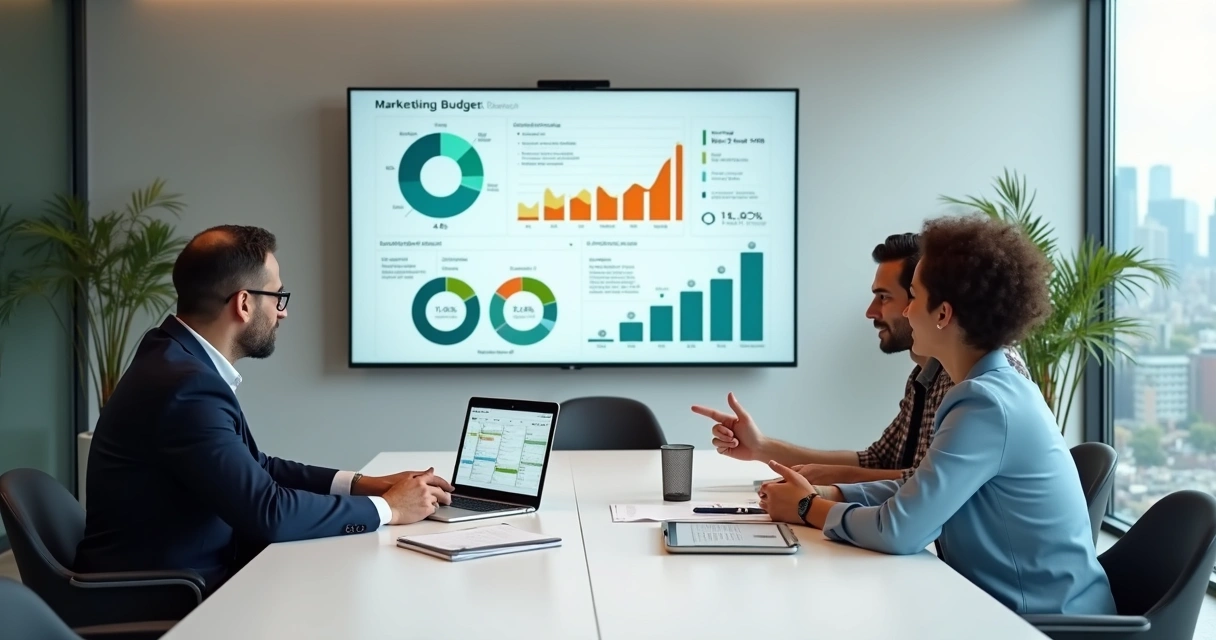
When I talk to business owners about digital marketing, I often see a familiar pattern. Many people, hoping for quick wins, hit the “boost” button on a social post and expect strong growth. The problem? This shortcut rarely delivers anything close to real, measurable sales or loyal customers. Working at Strattz, I’ve noticed a clear difference between quick boosting and running structured campaigns with a real strategy. Today, I want to share how this gap isn’t small—it’s the main reason some ads get real results, while others vanish without a trace.
Why boosted posts seem easy—but rarely work
Let me be honest: boosting posts tempts all of us. A few clicks, a set budget, and your post is supposedly reaching more people. Social platforms make it too simple. But here’s what I’ve observed:
- Boosting is not a real marketing strategy. It usually lacks planning, targeting, and clear goals.
- It might give your post more likes or views for a few days, but those numbers rarely connect to more sales or genuine leads.
- Budgets can drain fast, especially if you boost often without analysis or tracking.
Quick boosts are a shortcut, not a foundation for growth.
Boosting a post often comes from that feeling of urgency—”I need something to happen now.” But growth built on shortcuts is risky. I’ve seen, time and again, businesses get excited by early engagement but struggle to explain what those numbers actually did for their business. Without a plan, the money is spent but rarely comes back.
How are campaigns different from boosted posts?
Campaigns, done professionally, change the entire approach to social ads. At Strattz, I work with clients to build campaigns grounded in real strategy, custom-designed for their business. The results don’t just look good—they pay off.
- Campaigns start with clear goals. You define if you want more sales, new leads, more website visits, or brand awareness.
- They use precise audience targeting based on demographics, interests, and behavior. No more “spraying and praying” like in simple boosts.
- You can A/B test different creative ideas, calls-to-action, and landing pages.
- You track every click, conversion, and dollar spent through analytics. This means you don’t guess—you know what works.
- Budgets are set up to maximize returns, not just “spend and hope for the best.”
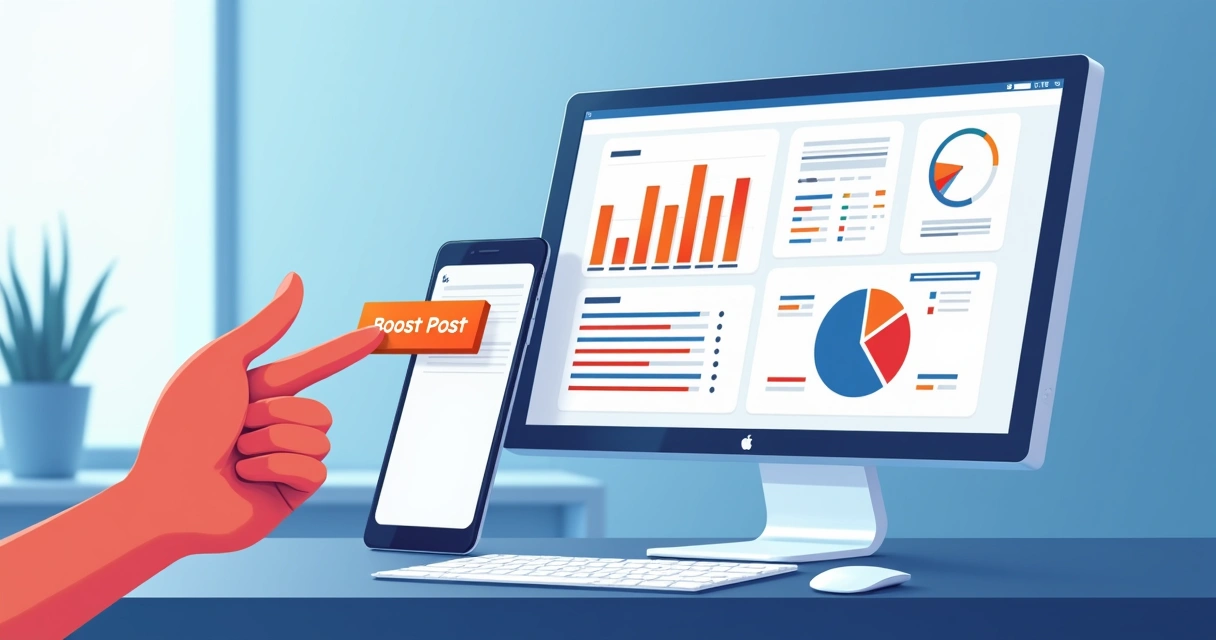 When you run a campaign with a real plan, every coin you spend can be controlled, measured, and predicted. You see how much it costs to get a lead or sale, and you can pause, adjust, or scale with confidence.
What actually drives profit: the power of strategy
So, why does strategy matter so much more than just boosting a post? In my experience, it’s all about control and visibility. When I manage a campaign for a client, I can show exactly what each ad is doing. There’s no guesswork.
- Every ad connects to a customer journey. We map out how people see the brand, interact, and move toward buying.
- Campaigns can run across multiple channels at once: social, search, video, and more.
- You can control frequency, placement, and timing for each ad set. No wasted impressions.
- Performance data comes in constantly, so we adjust quickly if something underperforms.
- Results are linked to business impact—not just empty metrics like likes or impressions.
Strategy turns ad spend into real, trackable returns.
Boosting a post tells an algorithm, “Show this to more people.” Running a campaign says, “Get my message to the right people, at the right time, to achieve a goal I can measure.” The difference is huge. It’s not about being fancy—it’s about putting every dollar to work where it counts.
Swapping quick boosts for true campaigns
I remember one client who used to boost posts every week. Engagement was decent, but sales were flat. We took the same monthly budget and built two structured campaigns with real goals: one for local brand awareness, one for lead generation. Instead of guessing, we tracked results for each campaign, tweaked audiences, and shifted spend to what performed best. The difference in sales was clear within weeks. It felt like turning on the lights in a dark room.
You can find more about how I work with clients at Strattz here.
Choosing strategy means refusing short-term fixes and instead building something sustainable. With a strong plan, you’re not just “advertising”—you’re building a brand, a customer base, and steady growth.
When does boosting ever make sense?
I don’t think boosting is always wrong. Sometimes, if you have organic content that goes unexpectedly viral, a small boost might help keep the momentum going. But it’s never a substitute for a campaign, and it should not be your go-to move. If you find yourself relying on boosts, it’s time to stop and ask, “What’s my goal? Can I actually measure my results?”
Here’s where you can find more tips for smarter digital ads.
What you really get from real strategy
When I advise clients to switch from boosting to strategic campaigns, they often worry about complexity. My advice is simple: focus on these gains, not just the clicks or likes.
- Reliable, repeatable growth.
- Total control over ad budget and where it goes.
- Easy measurement of ROI—know if your money is working.
- Insights for future campaigns, making each launch better than the last.
- Ads that build not just sales, but loyalty and trust for your brand.
 When I look at the results for clients using structured, well-managed campaigns from Strattz, the pattern is easy to see: costs per result fall, conversions rise, and everyone can see where the money is going. You can read some practical examples on this campaign breakdown and another on improving return on ad spend.
Conclusion: Your results depend on your plan
I’ve managed ads for brands large and small across Las Vegas, and one rule stays the same: strategy, not shortcuts, brings results you can see in your sales reports— not just your notifications tab. If you’re serious about growing your business, it’s time to swap impulses for a plan. Let data, targeting, and careful testing lead the way.
I invite you to connect with the team at Strattz, understand our process, and see what a proper campaign could do for your business. If you want to learn more or are ready to strengthen your marketing, start with these insights or reach out directly. Real marketing, real returns—no more shortcuts.
Frequently asked questions
What is a boosted post?
A boosted post is a regular social media post that you pay to promote to a wider audience, often with just a few clicks and a basic budget. Platforms let you boost from your business page, aiming to increase views or likes quickly. There is no deep targeting or measurement.
How is a campaign different from boosting?
A campaign is built from the ground up with goals, creative options, audience targeting, and tracking in mind. Instead of just pushing out a post, you design ads for specific business results—like leads or sales—and test what works. Campaigns allow you to control and measure every part of the process, while boosts are quick but often random.
Is it better to use campaigns or boosts?
In my experience, campaigns win every time if you want reliable business growth. Campaigns let you target, measure, and improve over time, while boosts might give you a short bump in engagement with no lasting effect. Campaigns give you predictable results and real ROI, not just empty numbers.
How much do boosted posts cost?
The cost of a boosted post can start quite low—sometimes just a few dollars. But because there’s no real targeting or follow-up, you may end up spending more over time and seeing less in return. Without strategy, the cost can add up quickly with little to show for it.
When should I use a campaign?
Run a campaign whenever you have a real goal: more sales, signups, local awareness, or leads. Campaigns are best for long-term growth, any time you want to track ROI, or when you plan to scale your business. If you need guidance on campaign planning, I recommend starting with the resources at Strattz or looking into our expert-led strategies.