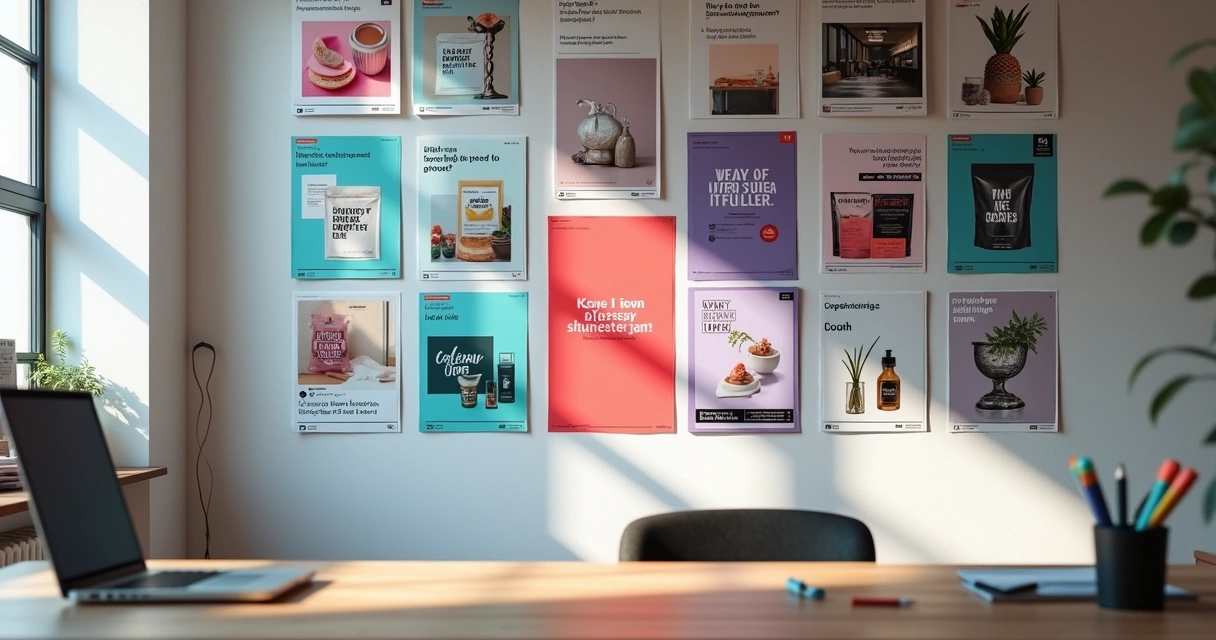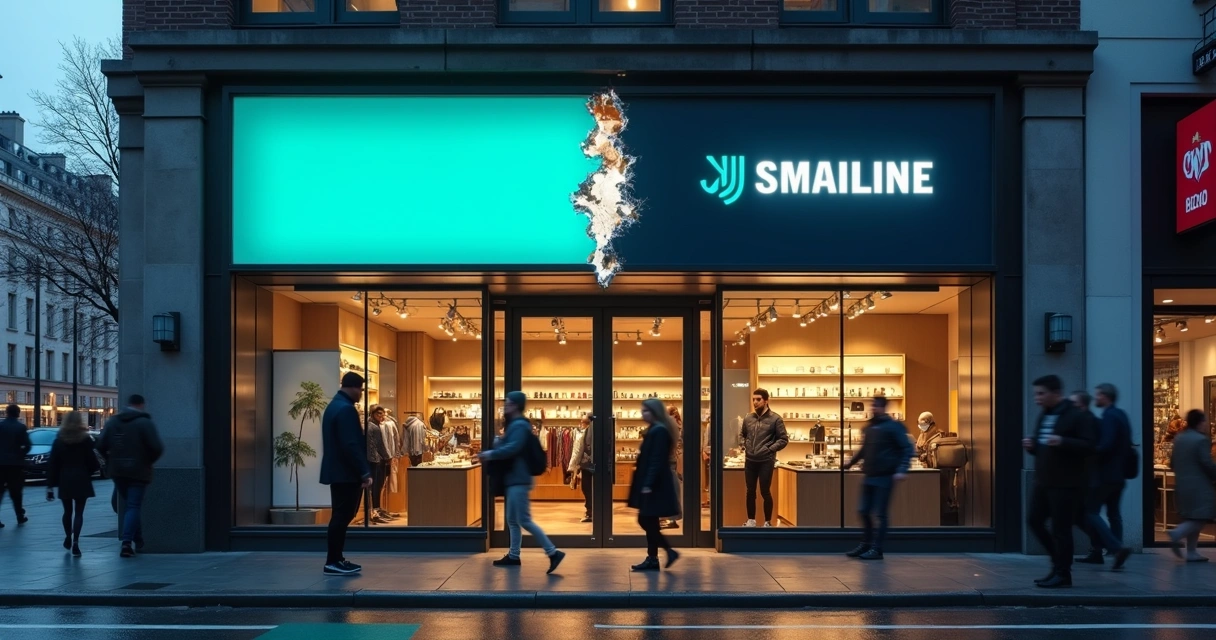
I have seen many business owners say the same thing: “I just want it to look good.” I understand that. Good taste feels safe. A clean layout, nice colors, sharp photos, and modern fonts can make any brand feel more polished. But in my experience, polished is not the same as persuasive.
Creative work gets results when each choice helps the right message reach the right person at the right time.
That is where creative strategy changes everything. It asks harder questions. Who is this for? What do they fear? What do they need to believe before they buy? What should they notice first? What format fits the moment best?
I think this is the line many people miss. Design is not decoration. It is communication. Every visible choice tells people something, even when we do not mean to say it.
Pretty is not the goal. Trust is.
Why good taste is not enough
Good taste can make content pleasant. It can make a brand seem current. But good taste alone does not tell me if a message is clear, if a call to action is seen, or if the content matches the person viewing it.
I once reviewed a beautiful ad that had soft beige tones, elegant type, and a refined layout. It looked expensive. It also failed. Why? The audience was looking for speed, clarity, and confidence. The ad felt slow and distant. It gave the wrong emotional signal.
People do not respond only to what looks nice. They respond to what feels right for the moment and the message.
This is why a creative agency often works differently from someone who simply has a good eye. At Strattz, for example, the value is not just in making content attractive. It is in connecting design, copy, video, branding, and media choices to business goals. That changes the work from visual preference to planned action.
What strategy changes in the creative process
When I build creative with strategy in mind, I do not start with color palettes or trendy references. I start with purpose. That purpose shapes every layer of the piece.
Here are some of the choices that carry real weight:
- Color and the feeling it creates
- The first headline people see
- The order of words in the copy
- The image style and framing
- The format, such as reel, story, static post, or landing page
- The speed and tone of the message
None of these choices are random. Each one either reduces doubt or adds friction.
If I use a deep blue for a financial service, I may build calm and trust. If I use neon colors and playful fonts for the same offer, I may create confusion. The design may still look “cool,” but cool is not always useful.
If I lead with “Book today” before I explain the value, I may lose people. If I lead with the benefit, then support it, then ask for action, I guide attention in a better order. That is copy hierarchy at work.
 Color, words, and format all affect trust
 Color, words, and format all affect trust
In my experience, trust is built in small moments. A person does not always stop and say, “This brand feels reliable because of the spacing and the headline structure.” They just feel it. Or they do not.
That is why details matter so much. Let me keep it simple.
Color psychology matters because colors set expectations. They can suggest calm, urgency, luxury, energy, warmth, or seriousness. This does not mean one color always means one thing. Context matters. A red button on a page may pull attention well. A full red background for a law firm may feel too aggressive.
Copywriting hierarchy matters because people scan before they read. I usually think in layers:
- The first line should stop attention
- The next line should make the value clear
- The next part should remove doubt
- The last step should ask for action
Format matters because every platform changes behavior. A service explanation that works on a website may fail in a short social video. A detailed carousel may teach well, while a reel may spark emotion faster. I have seen strong ideas underperform simply because they were placed in the wrong format.
The best creative choice is not the one that looks best alone, but the one that performs best in context.
If you want to study how content structure shapes perception over time, I suggest browsing the insights published by the Strattz team. I find that kind of practical thinking more useful than surface-level style talk.
Why every visible detail has a job
I like to think of creative work as a chain. If one link feels off, trust drops. Sometimes only a little. Sometimes enough to lose the sale.
Consider these simple examples:
- A luxury service uses crowded text and cheap-looking stock photos
- A family business uses cold, harsh lighting in its videos
- A premium offer opens with a discount before it explains value
- A local brand targets busy viewers with long, slow intros
None of these mistakes are only visual. They affect belief. They shape the story people tell themselves about the brand in seconds.
I have read many pieces on messaging and creative flow, and even a general content example like this article structure reference can remind us that sequence changes understanding. The order of what people see affects what they think.
That is one reason agencies can bring more depth to creative work. The job is not just to arrange attractive parts. The job is to align message, timing, audience behavior, and brand signal. At Strattz, where services range from social media and paid media to video, design, branding, and SEO, this connected view helps turn content into something that supports growth instead of just filling space.
How agencies think beyond taste
I am not saying taste has no value. It does. Good taste can help a brand feel current, balanced, and appealing. But taste should serve strategy, not replace it.
A strong agency process usually asks questions like these before making anything:
- Who is the audience, really?
- What stage of awareness are they in?
- What problem should the content solve?
- What feeling should the brand create?
- What action should happen next?
Those questions shape outcomes. They also save time. I have seen teams avoid weak revisions simply because they defined the purpose early. If you are trying to sharpen that thinking, you may find ideas in this related post and another practical example, especially when planning content around brand perception.
Conclusion
 Conclusion
When I look at great creative work, I do not just see style. I see decisions. I see a headline placed first for a reason. I see a color chosen to calm doubt. I see a format selected to match how people behave. I see restraint where clarity matters, and energy where attention is needed.
Every creative choice shapes results because every choice shapes perception.
That is why good taste alone is not enough. A business grows faster when its content is built with intention, guided by message, audience, and timing. If you want creative work that does more than look nice, take time to learn more about the ideas behind stronger content and get to know Strattz, where strategy and execution work together to help brands attract the right clients and grow with more confidence.
Frequently asked questions
What is creative strategy in marketing?
Creative strategy in marketing is the planning behind the message, visual style, format, and timing of content. I see it as the thinking that connects creative choices to a business goal. It helps a brand speak to the right audience in a way that feels clear and convincing.
How does good taste affect results?
Good taste can improve first impressions by making content feel more polished and appealing. In my experience, that can help attention and brand image. Still, taste alone does not guarantee action. It supports results best when it matches the message and audience.
What is the difference between strategy and taste?
Taste is personal judgment about what looks or feels good. Strategy is the planned reason behind each choice. I think of taste as style and strategy as direction. One helps with appeal, while the other helps move people toward trust and action.
How can I improve my creative choices?
I suggest starting with clearer questions before making content. Define the audience, the goal, the main message, and the next action you want. Then review colors, headlines, visuals, and format to see if they support that goal. Testing different versions also helps reveal what people respond to.
Is creative strategy more important than taste?
I believe strategy matters more because it gives purpose to the work. Good taste still has value, but without strategy, even beautiful content can miss the mark. The best results usually come when strong taste is guided by clear strategic thinking.