Low-quality content does more harm than many business owners think. It does not only fail to bring results. It can also make a brand look careless, untrustworthy, or less professional. I have seen this happen with blurry photos, graphics that do not match the brand, and videos with bad cuts, weak lighting, or poor sound. People notice these things fast. They may not say it out loud, but they feel it.
Your visuals tell customers what kind of standards your business accepts.
For most people, the first impression is visual. Before they read your offer, call your team, or visit your location, they see your website, your social posts, your ads, or your photos. That first look shapes belief. In my experience, once trust drops in those first seconds, it is hard to win back.
Why the visual first impression matters so much
I think many brands still treat visuals like decoration. They are not. They are signals. A poor image says, “We rushed this.” A random graphic says, “We are not clear about who we are.” A badly edited video says, “Details do not matter here.” Customers connect those signals to the whole business.
If a restaurant posts dark, grainy food photos, people may wonder if the same lack of care shows up in the kitchen. If a law office uses stretched logos and messy layouts, people may question how organized the service will be. If a local store uploads videos with uneven audio and awkward cuts, the audience may assume the business is less polished than it claims.
People trust what looks cared for.
That is why agencies like Strattz put so much attention on visual quality across social media, websites, branding, and paid campaigns. The goal is not to make things look fancy for no reason. The goal is to help the brand look as reliable as it wants customers to believe it is.
What customers think when visuals look bad
Low-quality visuals do not sit alone. They create thoughts. Quiet ones, but strong ones. In my research and daily work, I have noticed that bad creative often leads people to make fast judgments such as:
- This business looks outdated.
- If they miss small details here, they may miss bigger ones too.
- I am not sure this company is real or active.
- This brand feels inconsistent.
- I should keep looking before I buy.
These reactions are not always fair, but they are real. A customer rarely studies your intent. They react to what they see. That is why poor visuals affect trust long before they affect sales numbers.
Examples that quietly hurt your brand
I have seen businesses invest in ads and content, then lose people because the creative itself felt weak. Some common examples do more damage than they seem to.
Blurry photos can make a business look rushed or unprepared. Graphics with different fonts, colors, and styles can make the brand feel confused. Videos with jumpy edits or bad framing can make the business seem amateur. Even small things, like pixelated logos or images cropped the wrong way, create friction.
When visuals feel off, customers often assume the business behind them is off too.
That connection is why “good enough” must be higher than the bare minimum. Professionals know where that line is. They also know that staying above it takes a process, not luck.
 Why a strong creative process changes everything
 Why a strong creative process changes everything
I believe trust grows when visual work follows a clear standard. That means planning, review, consistency, and skill. It is not only about talent. It is about having a team that knows what to approve, what to fix, and what not to publish.
A strong process usually includes a few simple steps:
- Define the brand look and tone.
- Create with the audience in mind.
- Review each asset for clarity and consistency.
- Check how it looks on each platform.
- Only publish what meets the standard.
That last point matters. Sometimes no creative is better than bad creative. I know that sounds harsh, but it is true. If the only option is something that makes the business look cheap or careless, waiting is often the smarter choice.
Teams like Strattz understand this well because social media moves fast, and speed can tempt brands to post weak content just to stay active. But visibility without trust is a poor trade.
Consistency builds belief
A single bad visual can hurt. Repeated bad visuals build a pattern. Once people see that pattern, they begin to expect low standards from the brand. That affects more than one post or one campaign. It shapes reputation.
This is why visual consistency matters so much across channels. Your website, ad creatives, short videos, photos, and social posts should feel connected. Not identical, but clearly from the same brand. When that happens, the audience feels stability. Stability supports trust.
If you want ideas on how content systems connect with brand growth, I suggest reviewing topics like content planning for stronger brand presence, creative consistency in digital campaigns, and ways to improve visual communication. I also like checking the insights published by the Strattz team and browsing related topics through their content search page.
Good enough is a real line
In my experience, skilled creative teams have a sharp sense of what “good enough” looks like. They know when an image is too dark. They know when a design feels crowded. They know when a video needs another round of edits. That judgment protects the brand.
Professional creative work is not about perfection. It is about staying above the line where trust starts to break.
I once watched a business owner insist on posting a quick video that had echo, bad lighting, and a weak thumbnail. The logic was simple: something is better than nothing. The result was also simple: low views, low engagement, and comments asking if the account had been hacked. That stuck with me. People reacted to quality before they reacted to the message.
How better visuals support real business goals
 How better visuals support real business goals
Better visuals help brands look more trustworthy, but they also make action easier. Clear images help customers understand products. Clean design helps them move through a website. Strong video editing keeps attention longer. Good branding helps people remember who you are.
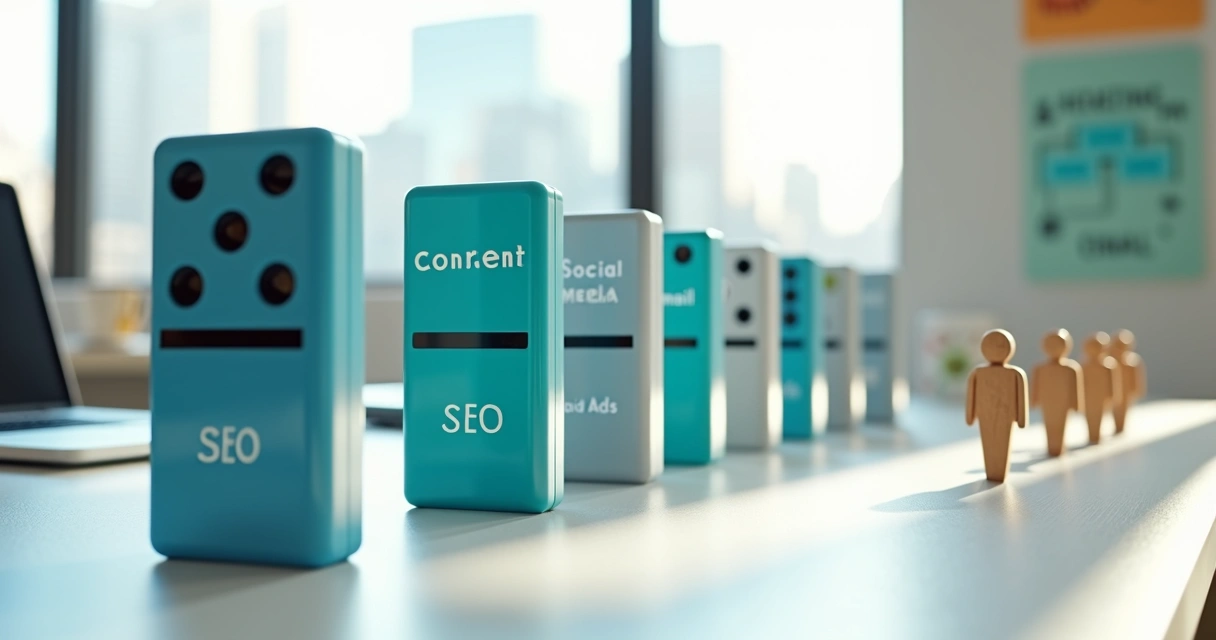
I see this as a chain reaction:
- Better visuals create a stronger first impression.
- A stronger first impression increases trust.
- More trust makes people more willing to stay, ask, and buy.
That is why investing in photography, video, design, and branding is not only about appearance. It shapes how believable your business feels in daily contact with the market.
Conclusion
Low-quality visuals send a message, even when you do not mean to send one. They tell customers that details may be ignored, standards may be low, or the brand may not be fully reliable. I think that is the real risk. Not poor reach alone, but poor belief. Every blurry photo, mismatched graphic, or rough video edit can push trust down a little more.
Setting a clear standard for visual and creative work is how brands protect that trust. It helps you present your business with care, consistency, and confidence each day. If you want your brand to look as strong as the service behind it, get to know Strattz and see how the right creative team can help your business earn belief before a customer even speaks to you.
Frequently asked questions
What are low-quality visuals?
Low-quality visuals are images, graphics, or videos that look careless, unclear, or inconsistent with the brand. This includes blurry photos, poor lighting, pixelated files, weak editing, unreadable text, and designs that do not match the brand style.
How do bad visuals harm trust?
Bad visuals make people question the standards of the business. If the content looks rushed or confusing, customers may assume the service or product is handled the same way. Trust often drops when the visual quality feels lower than the promise of the brand.
How can I improve my brand visuals?
I suggest starting with clear brand rules for colors, fonts, image style, and tone. Then review all content before publishing. Use better lighting, sharper images, cleaner layouts, and edited video with clear sound. A trained creative team can also help keep quality steady over time.
Are professional photos worth the cost?
Yes, in many cases they are. Professional photos can make your business look more credible, polished, and current. They also give you reusable content for websites, ads, and social media. Good photos often support trust far better than quick images taken without planning.
Where to find good design resources?
You can find good design resources through skilled creative partners, brand strategists, photographers, video editors, and design teams that build content for business use. I think the best resource is a team that understands both visual quality and business goals, like the kind of support Strattz offers across branding, content, and digital marketing.