In my experience, this question never has a one-word answer. I have seen business owners chase paid ads for fast leads, then feel frustrated when results stop the moment the budget slows down. I have also seen brands trust only organic content, post for months, and wonder why sales still move too slowly.
In 2026, paid marketing brings speed, while organic marketing builds trust and staying power.
That is the real starting point. Not paid versus organic as enemies, but two tools with different jobs. When I look at what works best for local businesses, service brands, and growing companies, I usually find that the winner depends on the goal, timing, and market pressure.
At Strattz, this balance matters a lot because many businesses in Las Vegas do not have time to waste. They want more visibility now, but they also want a brand people remember next month and next year.
What changed in 2026
Marketing feels sharper now. People scroll fast. Search results are fuller. Social platforms reward content that keeps attention, not just content that exists. I have noticed that brands can no longer post random updates and hope for reach.
Paid campaigns have also changed. They are more targeted, more visual, and often more expensive than they were a few years ago. That means weak ads lose money faster. On the organic side, good content can still perform very well, but only if it is useful, clear, and built with a plan.
Fast reach is not the same as lasting growth.
That short truth explains a lot. I think many companies confuse exposure with business progress. A campaign can get views and still fail. A blog can get traffic and still fail. Results in 2026 come from fit, not noise.
When paid marketing wins
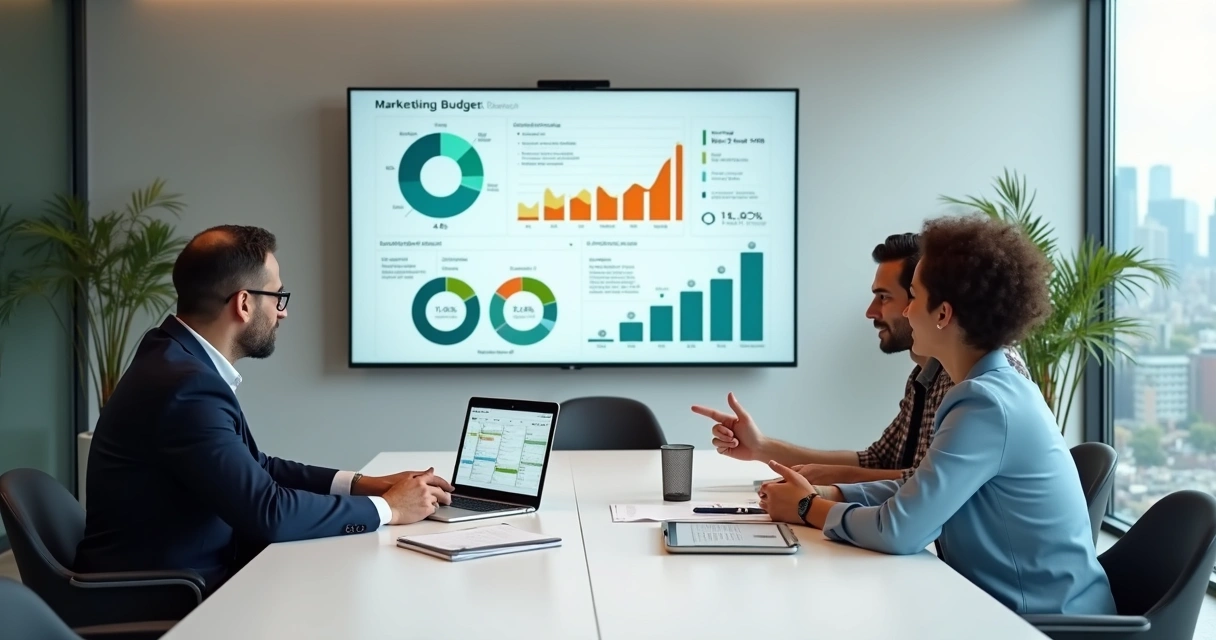
I usually recommend paid marketing when a business needs traction quickly. This is common during launches, seasonal offers, local events, and lead generation pushes. Paid ads can place a brand in front of the right people within hours, which organic content rarely does.
Paid marketing works best when the offer is clear, the audience is defined, and the landing experience is strong.
Here are situations where I believe paid marketing often brings better results:
- New businesses that need visibility right away
- Local services that want calls, bookings, or quote requests
- Promotions with a deadline
- Products that need retargeting before conversion
I once saw a business invest months into posting content without a firm call to action. The brand looked active, but sales barely moved. Then a focused paid campaign was launched with stronger creative, better targeting, and a simple landing page. The response was much better in a short time.
Still, I do not see paid traffic as magic. If the message is weak, paid ads only make weak marketing happen faster.
 When organic marketing wins
 When organic marketing wins
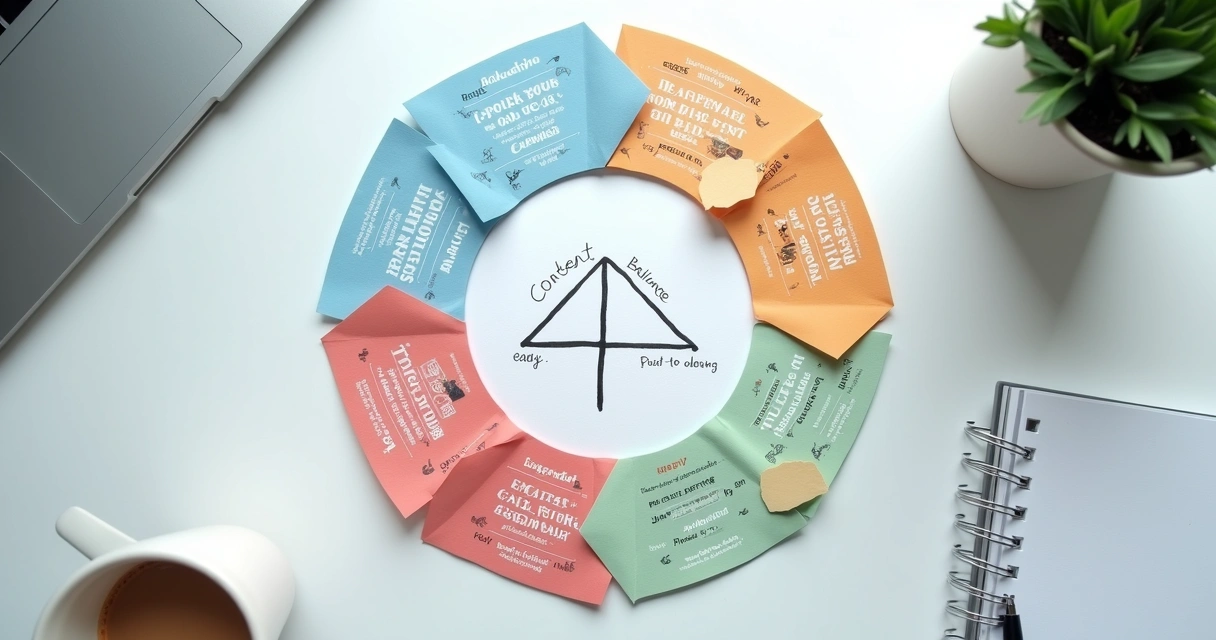
Organic marketing usually wins when trust is the real barrier. If people need time to know a brand, compare options, or learn before buying, organic content becomes very strong. Blog posts, SEO pages, short videos, email content, and social presence all help shape that trust.
In my research and day-to-day work, I see organic marketing perform well in three ways:
- It lowers dependency on ad spend over time
- It helps brands appear in search during buyer intent moments
- It gives the business a voice people can recognize
Organic marketing brings stronger long-term value because each useful piece of content can keep working after it is published.
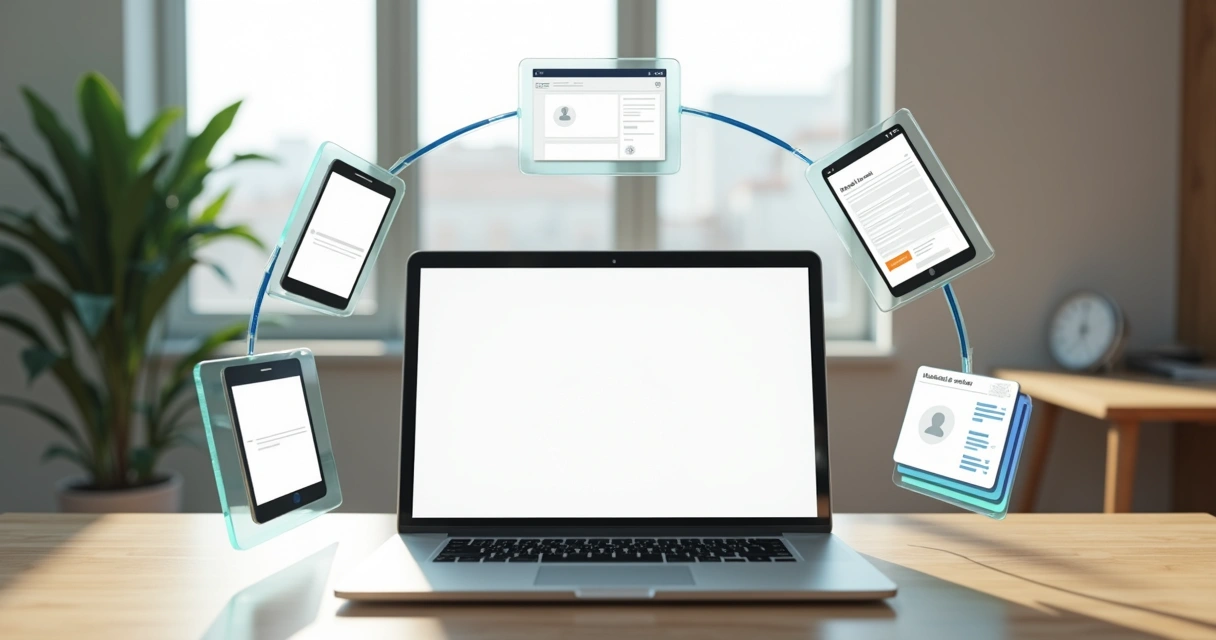
This is one reason agencies like Strattz often connect SEO, social media, branding, video, and design instead of treating each one like a separate island. A strong organic presence is rarely built by one format alone. It grows from consistent signals.
If you want a deeper view of content paths and strategy ideas, I suggest reading this practical article on the Strattz blog, because it helps frame content as part of a real business system, not just posting for appearance.
The real cost behind each option
People often say organic is free. I do not agree. It may not demand ad spend at every step, but it still takes time, planning, creative work, editing, search structure, and steady follow-through. Paid marketing costs money directly. Organic marketing costs time and team effort.
That is why I prefer asking a better question: what kind of cost can your business carry right now?
For some companies, paying for faster data is smart. For others, building a lasting content base makes more sense. I have seen small teams burn out trying to do organic at a high level without support. I have also seen companies waste ad budget because the brand foundation was not ready.
If you want to compare more topics related to growth and visibility, the content search page can help you find related material by need and stage.
Why the best answer is often both
This is where I stand most of the time. In 2026, the strongest results usually come from combining paid and organic with clear roles.
For example, I like this structure:
- Use paid campaigns to test offers, audiences, and creative angles
- Use organic content to answer questions and build trust around those winning angles
- Retarget warm audiences with paid ads after they engage with content
- Keep improving pages, visuals, and messaging based on real response
This approach reduces guesswork. Paid marketing gives speed and feedback. Organic marketing gives depth and memory. Together, they support each other.
I have seen this work especially well for local brands that need immediate leads but also want stronger search presence. At Strattz, that combined model makes sense because services like paid media, social media, SEO, video editing, branding, and web design all connect to the same buyer journey.
How I would decide in practice
 How I would decide in practice
If I had to choose for a business today, I would look at a few simple factors first:
- How fast do results need to happen?
- Does the brand already have content people trust?
- Is there a sales funnel ready to convert traffic?
- Can the team keep publishing with quality?
If the answer is speed, I would lean paid first. If the answer is authority and lower long-term dependence on ads, I would lean organic first. If the business has budget and wants stronger growth, I would combine both from the start.
You can also learn more from this article about marketing direction, this post with extra practical ideas, and insights published by the Strattz team.
Conclusion
So, which brings more results in 2026? In my view, paid marketing brings more short-term movement, and organic marketing brings more long-term business value. If I had to choose only one, I would choose based on the business stage, not personal preference.
The best result in 2026 usually comes from using paid to gain momentum and organic to turn that momentum into brand strength.
If your business wants to grow with a plan that matches real goals, this is a good time to get to know Strattz and see how a smart mix of paid media, social media, SEO, video, branding, and web strategy can support your next stage.
Frequently asked questions
What is paid marketing in 2026?
Paid marketing in 2026 is the use of budget to place a brand in front of a selected audience through ads on search engines, social platforms, video platforms, websites, and other digital spaces. I see it as a fast way to generate traffic, leads, and sales when campaigns are built with clear targeting and strong creative.
What is organic marketing in 2026?
Organic marketing in 2026 is the growth a brand earns without paying for each impression or click. This includes SEO content, blog posts, social media content, email nurturing, videos, and brand authority. In my experience, it works best when the content answers real questions and stays consistent over time.
Which brings more results: paid or organic?
Paid usually brings faster results, while organic often brings stronger long-term value. I think the better option depends on the goal. If a business needs leads now, paid can work better. If it wants trust, search visibility, and lower dependence on ad spend later, organic may bring more value.
Is it worth investing in paid ads?
Yes, it is worth investing in paid ads when the offer is clear and the business is ready to convert traffic. I would not treat ads as a shortcut for weak branding or poor pages, but as a way to speed up exposure and collect useful market feedback.
How can I combine paid and organic?
I would combine them by using paid ads to test audiences, offers, and creative, then building organic content around what performs well. After that, I would retarget engaged visitors with paid campaigns and keep improving the site, content, and brand message based on the results.