Creating a web page designed to prompt your visitors to take action sounds simple. Yet, in my experience, turning this plan into a real driver of conversions, especially in local markets, is anything but easy. Over the years, I have watched business owners, marketers, and designers struggle with the fine details that separate a page that simply collects views from a page that genuinely collects leads or sales.
If you are a local business owner, marketer, or entrepreneur, you are probably already aware of the potential of digital campaigns. But how can you create a dedicated page that not only attracts your audience but nudges them toward action? In this article, I will share everything I have learned about building effective landing pages for local markets.
Defining what a landing page is and why it matters locally
Many people think that all web pages are created equal. In fact, I often see homepages doing the job of a landing page, and vice versa. This is a common mistake. The primary function of a landing page is to focus on one call to action, with a single goal in mind, such as gathering emails, booking appointments, or driving walk-in visits.
A landing page is a standalone web page designed specifically to capture and convert visitors from a particular marketing campaign. This could mean a Google Ads campaign targeting your ZIP code, a Facebook ad focused on your city, or even flyers that lead people to a local service offer.
What separates this kind of page from, say, your About section or blog post? Structure and intent. Homepages are broad. Service pages might cover multiple offerings. In contrast, a landing page exists for just one thing: guiding users toward a clear action.
Local businesses need this focused approach even more. I have seen firsthand how a strong, locally relevant landing page can tip the scale in a hyper-competitive area, moving you up from “just another shop” to “the shop people call first.”
A single, focused page can transform curiosity into commitment.
Core elements every high-converting landing page should have
Not every landing page is created equal. There is a formula for driving conversions, shaped by years of digital marketing best practices, and supported by studies such as Cornell University’s research on clear headlines, calls-to-action and social proof.
Here’s what, in my perspective, your page cannot afford to miss:
-
A headline that speaks directly to a local need. Your visitor should instantly understand what you offer and how it fits their context (their city, their pain point, their lifestyle).
-
A single, strong call to action. Don’t split attention with multiple offers. Whether it’s “Book Your Free Consultation in Las Vegas” or “Claim Your Local Discount,” clarity is power.
-
Clear, concise messaging. I have tested hundreds of pages. The ones that perform best give visitors what they need in the first few seconds—no fluff, no jargon.
-
Benefit-driven content tied to location. Reference your city or neighborhood to build trust. People respond better when they feel you are speaking directly to them and not a generic audience.
-
Trust signals. This might be reviews, partnerships, certifications, or even “Google-rated #1 in [Your City].” These elements lower barriers to conversion.
-
Short, visible forms (or easy conversion paths). Whether booking, filling a form, or calling, your action step needs to be easy and quick.
Of course, visuals matter, too. High-quality images, personalized for your area, will strengthen credibility. More on that soon.
Landing page vs. other types of site pages: What makes the difference?
I find it surprising how often people use the terms “homepage,” “service page,” and “landing page” interchangeably. When building for local conversions, treating these as the same can hurt results.
- Homepage: It’s the front door—a general overview, serving new visitors and guiding them to explore. Not optimized for a single campaign or audience.
- Service/product page: Describes one of many offers, often linking to other services. These pages are informative but rarely focused on one conversion objective.
- Landing page: Laser-focused. Removes distractions, reduces navigation, and keeps the attention on the desired action.
This clarity of purpose, especially when paired with a local message, gives landing pages the edge in driving sign-ups, bookings, or calls.
Page structure: How layout impacts conversion
A well-organized layout is more than aesthetics. I’ve seen even the most beautiful designs fail if they don’t guide the eye and mind toward action.
Successful landing pages have a clear visual hierarchy: Headline, supporting statement, main image, benefit proofs, conversion area. That’s the sequence most people process information.
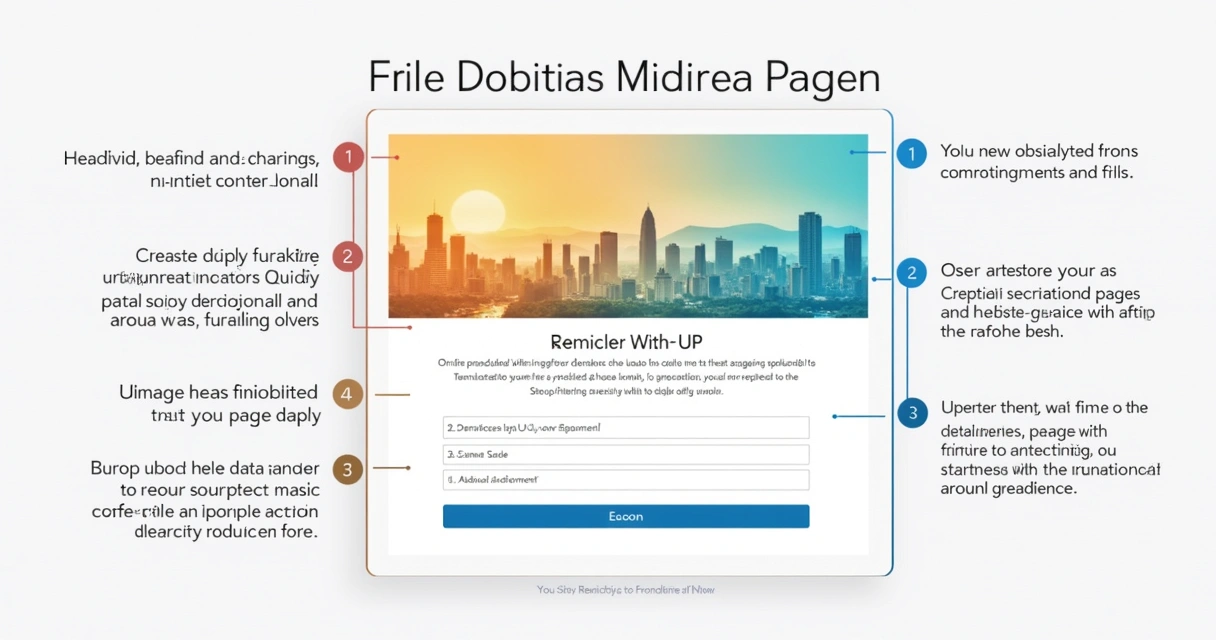
Above the fold: The most valuable real estate
“Above the fold” refers to what visitors see without scrolling. In my own tests, conversions jump when the main offer and action step are visible immediately. I always recommend:
-
Placing your headline, value statement, and call-to-action (button or form) above the fold.
-
Including a relevant local image or graphic, reinforcing the context.
If you are wondering whether this works in your city, the answer is almost always yes—people want immediate answers, no matter where they are.
Section layout: Less is more
After the first screen, every next section of a landing page should reinforce trust, answer objections, and show value. I have found that these sections work particularly well in local markets:
- A bloc with benefit-driven copy tied to local outcomes (“Trusted by over 200 Las Vegas clients”).
- Short testimonial or review area.
- Quick FAQ segment, keeping answers concise.
- Trust badges or associations with known local organizations.
Simplicity and a logical flow keep visitors engaged and moving toward conversion.
Key content strategies for local market landing pages
When it comes to content, being “local” means more than just dropping in the name of the city every now and then. In my experience, the best pages use content tailored to location, culture, and local habits.
High-impact headline writing for local context
Headlines must tell the visitor immediately: “This is for you, right where you live.” For example, a headline like
“Get faster plumbing fixes in Summerlin—book today!”
has a personal touch for those in Summerlin, Las Vegas.
Your headline should reflect the main benefit and the visitor’s location or need.
Telling your local story
People trust those who seem close to them—in both a physical and emotional sense. I often feature a line or paragraph about local experience:
“Serving Las Vegas area since 2012. More than 1,000 homes helped.”
This builds comfort. For some markets, an anecdote about a famous neighborhood or local festival can also connect.
Tailoring offers and benefits for locals
I’ve seen conversion rates double when the page’s offer is specific to the area. Instead of a generic “10% discount,” mention “10% off for Downtown Las Vegas residents this week only.”
Other ideas that have worked for me include:
- Local event tie-ins (“Book now for Vegas Strong marathon specials!”)
- Hyperlocal perks (“Free delivery in Summerlin.”)
- References to local weather, holidays, or needs.
The trust factor: Social proof and testimonials
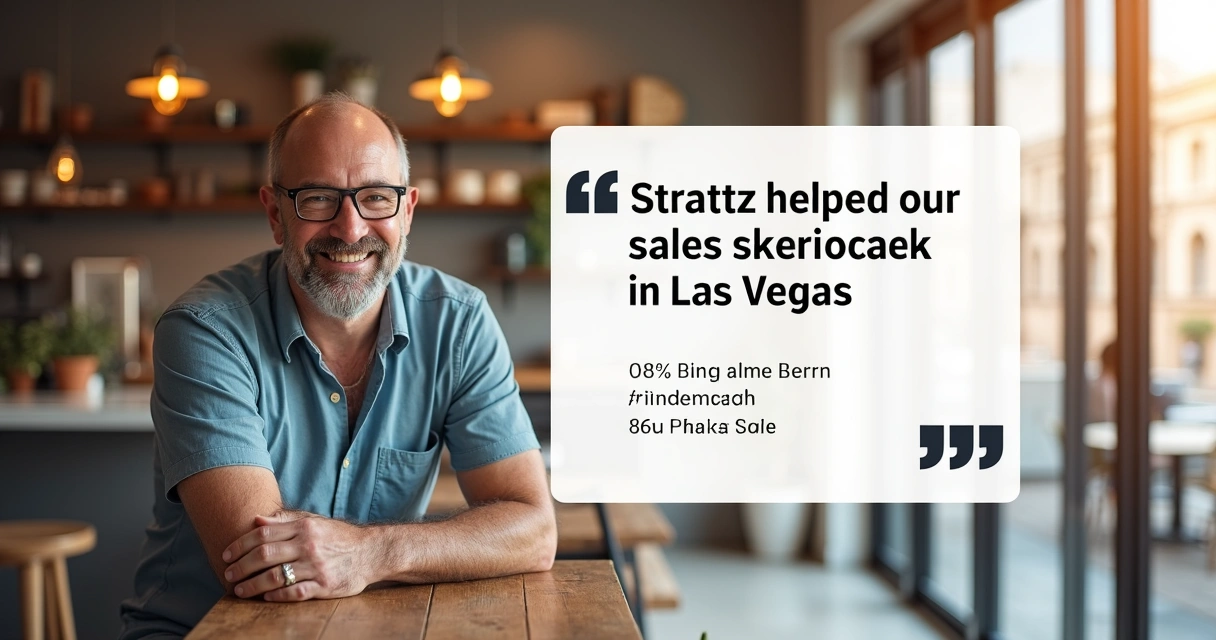
A compelling testimonial from a local client is worth more than a dozen generic reviews. When I help Strattz clients build their pages, I push hard for:
- First names and neighborhoods (“Mark F., Henderson”)
- Location-checkable businesses (“Shop owner, Downtown LV”)
- Local review platforms or “as seen on” with city-specific badges
It’s no surprise that the research from Cornell University confirms what I see: Social proof massively guides user decisions.
Crafting your value proposition for a local audience
Your value proposition is your promise in one short, clear idea. I have learned that tying this directly to something local—speed, support, community—makes it more powerful.
For example:
“Same-day HVAC repair from your neighborhood experts.”
By doing this, you are promising something visitors care about, from someone “like them.”
Design choices that lift conversion rates
Design isn’t just color and font—it’s a powerful conversion tool. Over two decades, I have seen design mistakes cost businesses both leads and reputation. Here is what actually works for local-focused landing pages:
Clean, distraction-free interface
Studies like the University of San Francisco’s digital campaign guidelines suggest minimizing distractions. I agree: Remove floating menus, secondary links, and unnecessary images. Keep one path forward.
Use of color, branding, and local visual cues
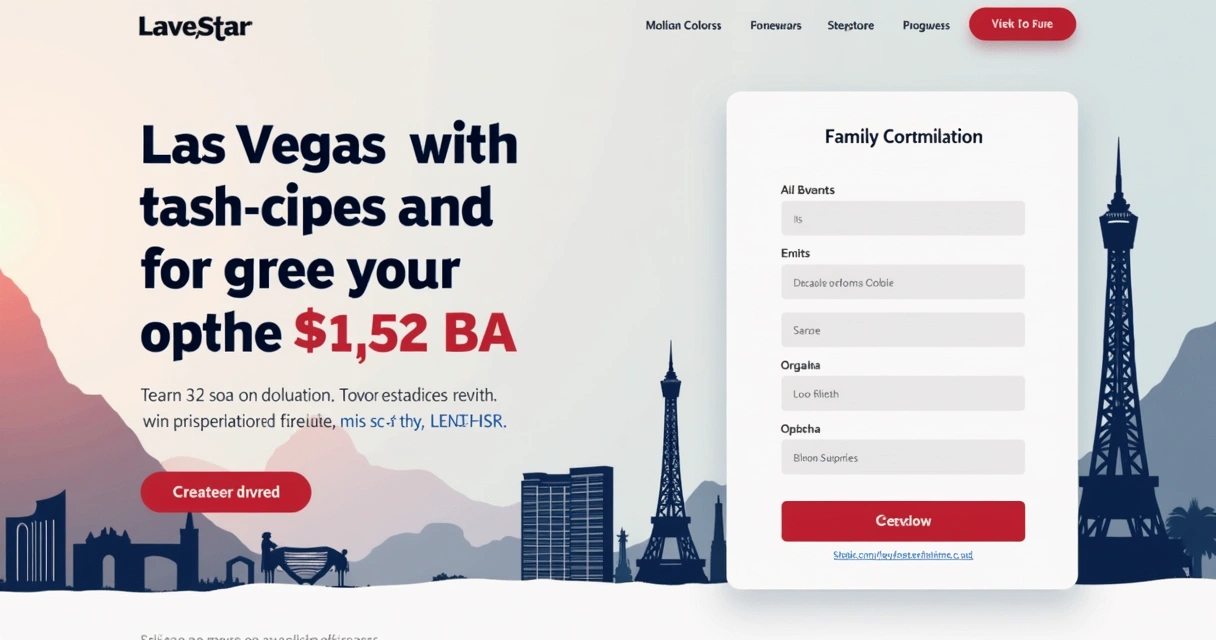
Colors should match your local brand or area. For a Las Vegas service, splashes of iconic local colors (gold, blue) build identity. For highly local brands, using familiar landmarks or events—even subtly in background images—boosts trust.
In my experience, a familiar logo or local map can reassure visitors. Don’t overdo background images, but don’t be shy using them as subtle cues.
Photos: Personalized over generic
I try to avoid stock images that scream “not from here.” Real photos from your area, of your team, store, or neighborhood, build instant trust.
- Showcase your shop, office, or local team
- Include local events or recognizable scenery
- Highlight faces, not just products
Typography and formatting for scanning
Online readers scan, not read. I use:
- Large, clear headlines
- Short paragraphs and bullet points
- Bold or color highlights for key messages
Spacing and contrast also matter. Make the page feel open and easy to browse.
The role of form placement and conversion pathways
Many businesses bury their form or make it hard to find. I have tested placement many times—the higher up, the better.
- Top of page (above the fold): Highest conversion rates. But only if the form is short (name, email, phone max).
- After trust-building section: Sometimes, a form after testimonials or benefits works for riskier offers.
Always keep the pathway simple. Fewer fields = more conversions. For local businesses, a phone number or obvious “Book Now” button works best.
Reducing friction at every step
I watch for anything that causes hesitation. Are you asking for too much information? Did you force visitors to scroll too far?
In my work with Strattz, I recommend one clear button, one clear form, and as little typing as possible. Drop-down selectors for neighborhoods, automatic ZIP code fill—these little touches all help.
Responsive design and brief load times
I have lost count of the times I met businesses with great offers, but slow, clunky pages on mobile. A page that doesn’t load or looks bad on phones simply fails.
Mobile-friendliness isn’t optional—over 60% of local searches happen on phones.
Things I always insist on:
- Layout that shrinks and adapts for mobile
- Bigger buttons for touch
- Font that is readable even on small screens
- Lightweight graphics and compressed images
Speed also matters. A one-second delay can cut conversions by up to 7%, based on various studies. Tools like Google PageSpeed Insights can help (and Strattz can handle this for clients).
Writing action-focused calls to action for locals
Your call to action (CTA) is where visitors move from “thinking” to “doing.” There are some common mistakes I have seen, such as weak phrasing, unclear buttons, and generic commands.
What makes an effective local CTA?
- Direct: “Book a Free Estimate in [City]” beats “Submit.”
- Urgency: “Claim your spot today” or “This week only.”
- Value-based: “Unlock exclusive Las Vegas rates now.”
Placement is everything. The CTA button or form should be obvious, above the fold, and repeated where long pages demand it.
The anatomy of a great button
I always look for:
- High-contrast color (against page background)
- Clear, concise text (4-6 words max)
- Slight increase in size (makes it feel “pressable”)
- Small trust cue—like a security icon for payment offers
One page, one action. Don’t confuse with extra offers.
Using A/B testing for content and conversion rate improvement
Changing just one element—a headline, button text, or image—can swing your conversion rate. But how do you know which change will help?
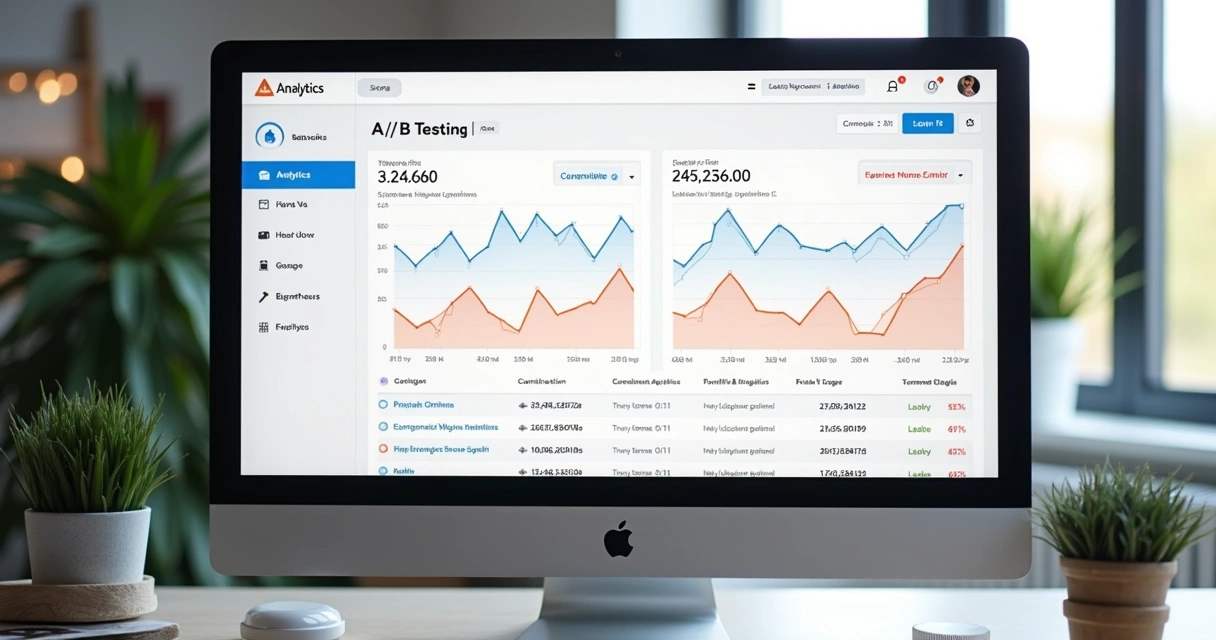
A/B testing (split testing) is the process of comparing two versions of a page to see which one performs better in converting visitors.
Over the years, I have been surprised how small tweaks can bring double-digit results. I recommend testing:
- Headline wording
- CTA button color or text
- Photo of local scene vs. a generic image
- Shorter vs. longer forms
- Trust signal placement
There are tools for this, such as Google Optimize, which gives you direct feedback on what your audience responds to. For local businesses, running even a few tests can be eye-opening.
Aligning your landing page with local campaigns
It is not enough to build one page and call it a day. I have learned that effective landing pages are integrated with their campaign source. That means if you are running Google Ads for “best tacos in Las Vegas,” the page headline should reinforce “Fresh Tacos in Las Vegas—Order Now.”
Here is how I recommend matching page with campaign:
- Scanning your ads or promo material—does the page repeat the promise and the location?
- Using the same words or offers across ad and page—consistency promotes trust.
- Mentioning the city or neighborhood early and often.
- Customizing offers to the campaign (“Mention this Facebook post for 10% off.”)
I have seen Strattz clients double their ad performance just by making campaign-to-page connections seamless.
Audience targeting: Making your message hit home
Local markets are rarely one-size-fits-all. Within a city, you might target:
- Young professionals downtown
- Retirees in suburban areas
- Students at a local college
Speaking directly to your primary local audience—by mentioning their identity, needs, or neighborhood—adds trust and is likely to boost conversions.
Ways I’ve made pages more relevant include:
- Images or testimonials from specific groups (a student review for a college page, for example)
- Special hours or offers for certain neighborhoods
- Language options for diverse markets
If you track responses, tailor the next campaign even further.
Local SEO and integrating with your wider strategy
Landing pages aren’t just for paid traffic. In fact, a locally optimized page can show up in organic search as well—if you do a few things right.
- Use city and neighborhood names naturally in copy, title tags, meta descriptions
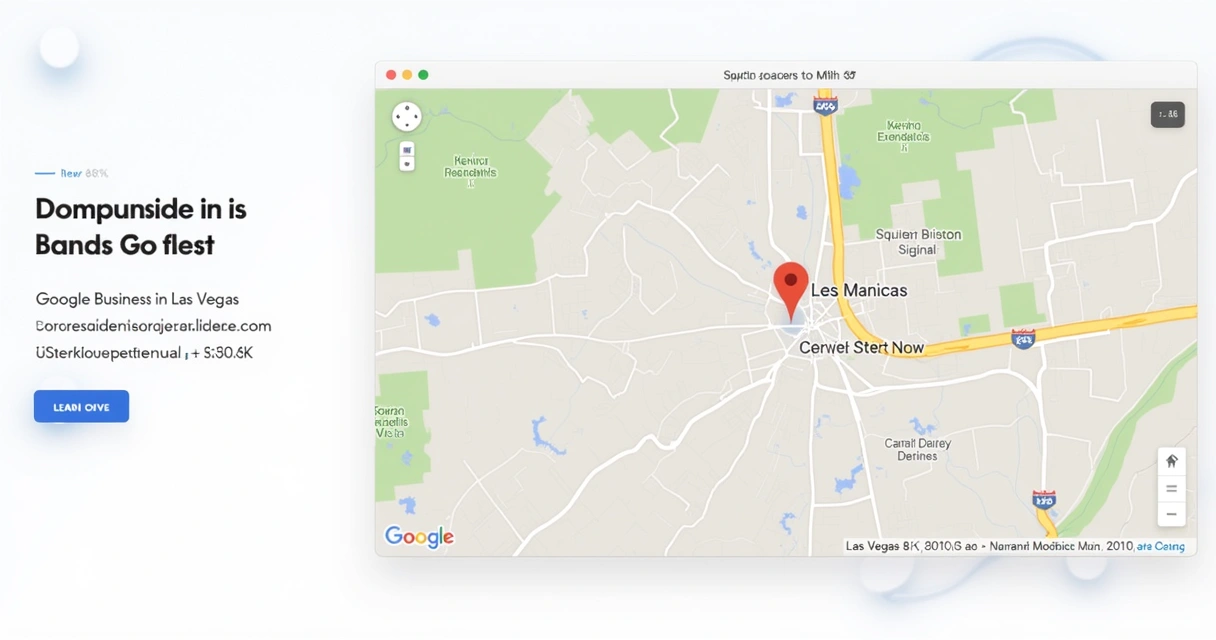
- Feature your address, local phone, and embedded Google map, if relevant
- Add a local business schema for search engines to notice your location
This not only helps organic ranking but also helps paid traffic (by boosting page quality scores).
If you want to go deeper, content resources like local guides or neighborhood-specific FAQs work wonders. The blog search feature at Strattz helps me find what local questions are trending.
Lead capture: Making every visit count
All the best practices in the world don’t matter if you don’t follow up with visitors. Capturing leads is the number-one job of a local landing page.
Things I emphasize in every project:
- Smooth integration with email and CRM tools
- Immediate “thank you” response or next steps
- Option to call or chat instantly for urgent services
You only get one shot at a hot prospect. The best pages make every moment count.
Tracking, analytics, and ongoing improvement
I have seen businesses launch brilliant pages, only to let them sit untouched for years. The real winners check their results weekly.
Here are some tips and tools I regularly use:
- Google Analytics for traffic and conversion event tracking
- Tag Manager for phone call or click tracking
- Heatmaps from tools like Hotjar for visual visitor flow (where do people pause, scroll, or click?)
- Regular split testing using A/B tools
Set a clear goal (such as 10% sign-up rate) and track progress. Little tweaks—in placement, copy, or color—can move the needle.
For clients at Strattz, I encourage monthly reviews: What improved, what didn’t, and what to test next. This “always improving” mindset keeps your offer fresh and effective.
Real-world examples: Stories from local businesses
Some stories stick with me. Here are a few adapted examples, showing how a smart, locally focused landing page made the difference.
Example 1: Local fitness studio fills its classes
A Las Vegas-based fitness studio wanted more sign-ups for limited group classes. Instead of using a regular signup page, we focused the page around:
- “Try Your First Summerlin Fitness Class Free—Locals Only!” as the headline
- Photos of recent group sessions with familiar Las Vegas faces
- One-step form above the fold
- Three brief testimonials from people living in Summerlin and Henderson
- Local Google Maps instance, not generic city
Within two weeks, their daily bookings doubled, and social mentions went up too.
Example 2: Specialty bakery drives local event orders
A bakery in Las Vegas launched a campaign for wedding cakes. The new page:
- Had a prominent headline: “Made in Las Vegas—Order Your Custom Wedding Cake”
- Showed cakes from recent local events, with couple names and venues
- Form offered “Instant Quote”—quick and easy
- Embedded a map with routes to nearby wedding venues
Local referrals rose. Online orders for event cakes went up by 70% compared to just the generic page.
Example 3: Plumbing service builds trust with neighborhoods
A plumbing company felt lost in the Vegas crowd. We highlighted:
- Google stars for local neighborhoods (“5-star service in Green Valley”)
- Names of technicians and customer neighborhoods paired with short reviews
- One “book now” button and a map showing recent service stops
Calls from those highlighted neighborhoods increased by 40% in that campaign’s first month.
If you’re curious, we often talk about similar experiences in articles like how local content powers campaigns or the impact of authentic testimonials in local marketing.
Common mistakes and how to avoid them
During my audits, I find similar mistakes that keep good local campaigns from reaching their full potential. If your landing page struggles, you may recognize these missteps:
- Confusing navigation: Too many links, menus, or distractions from your goal
- No local relevance: Generic copy or overused stock photos
- Weak calls to action: Vague wording, poorly placed buttons, or no urgency
- Forms with too many requirements or multiple steps
- Slow mobile experience or awkward layouts
- No trust signals (badges, reviews, social proof)
If you avoid these traps, your chance of converting local visitors skyrockets.
Recommended tools and resources for landing page improvement
Over the years, I’ve tried dozens of tools. Here are a few that any local business should consider for building, testing, and tracking their page performance:
- Google Analytics: For measuring traffic and conversions
- Google Optimize: For easy A/B testing (headlines, buttons, offers)
- Hotjar or Microsoft Clarity: For understanding visitor flow via heatmaps
- Mailchimp, HubSpot, or similar: For email collection and follow-up
- WordPress plugins or drag-and-drop builders: For quick, code-free layout changes
- PageSpeed Insights: To pinpoint speed bottlenecks
All of these help you learn what works best with your target audience. I sometimes cover step-by-step guides to these systems on the Strattz blog when businesses seek practical tips.
Best practices for ongoing landing page success
I always tell clients: Launching a landing page is the first step, not the last. Change is part of digital marketing. Your competitors and your customers’ habits will keep shifting.
Here is how I keep pages converting month after month:
- Review performance monthly – Look for drop-offs or wins, and identify why
- Test headlines, forms, and offers regularly – A/B testing isn’t just a one-and-done approach
- Refresh testimonials or local references – Keep the page feeling “current” and alive
- Monitor speed and usability – Especially after new updates or campaigns
- Align page with current campaigns – Make sure every new ad or local event matches content on the page
It is also smart to talk to your own customers—ask them what nearly stopped them from converting. No tool substitutes honest feedback.
Bringing it all together: What I’ve learned about local landing pages
Looking back at two decades in digital marketing—and helping so many local owners at Strattz—I have seen how the right approach can transform a business from overlooked to sought-after. The magic is not in flashy design or fancy tools; it’s in genuine local connection, simplicity, and focus.
If I could summarize everything you need for a landing page that works in a local market, it would be:
- Define a single goal for the page, and never lose sight of it.
- Tie every message and offer to the area, lifestyle, or concerns of your audience.
- Use authentic visuals, local trust markers, and direct, clear calls to action.
- Design for speed, mobile, and zero frustration.
- Test and measure, then tweak. Improving a page is an ongoing project.
Local landing pages aren’t magic, but they are powerful. Done right, they bring in leads, sales, and the kind of customer loyalty that bigger brands envy.
If you feel ready to put these steps into practice—or if you want expert help from a partner that knows the Las Vegas market inside and out—reach out to Strattz. Our team can help your business stand out. Let’s make your landing page your best salesperson.
Frequently asked questions
What is a local landing page?
A local landing page is a focused webpage created to turn visitors from a specific geographic area into leads or customers, using content, offers, and visuals related to that location. They are designed with one goal in mind, such as making appointments, driving phone calls, or collecting leads—serving local residents’ needs while building trust by referencing local culture, events, and testimonials.
How can I improve landing page conversions?
You can increase landing page conversions by having a clear headline, a single strong call to action, benefit-driven and local-focused content, visible forms above the fold, strong trust signals (like testimonials and badges), fast loading speeds, and minimal distractions. Test different headlines, images, or form formats using A/B testing tools and respond to the best-performing combinations. Incorporate social proof, mobile-friendly designs, and always match the offer on the page with your ad or campaign message.
What elements increase trust for locals?
Elements that raise trust among local audiences include testimonials with customer names and locations, photos of your team or neighborhood, references to community events or groups, local reviews on platforms people know, references to neighborhood-specific service, local business badges, and a visible address or local phone number. Authenticity and relatability win over generic, out-of-place content.
How do I target specific local markets?
To target a specific local market, design your landing page using location names in headlines, copy, and metadata, showcase familiar local imagery, mention local points of interest or community references, and address area-specific pain points or traditions. Use testimonials or examples from people in your audience’s neighborhood, customize offers for that geographic group, and set up targeted advertising or campaigns that lead only that audience to the page. Continually refine based on feedback and local performance data.
Is it worth it to localize landing pages?
Yes, localizing landing pages is worth the effort. I have seen conversion rates improve dramatically when businesses tailor their messaging, images, and offers to a particular area. Localized landing pages build instant trust, increase relevance, and stand out in crowded markets—especially for services that depend on local clientele. With even small changes (such as mentioning the city or using local stories), you are likely to see a stronger response compared to generic, national-focused pages.