Many times, I see small businesses in Las Vegas jump into social media with big hopes but little thought. The owners post whatever comes to mind, hoping something “goes viral.” It feels like marketing, but in reality, it’s just noise. These posts rarely lead to new customers or clear sales. I’ve been in the field long enough to spot the pattern—it all comes down to one missing piece: a real digital funnel.
Why random posting fails
There’s an urge to keep your pages “active.” I get it. If your business isn’t showing up online, it feels like it doesn’t exist. But too often, businesses post without asking: What do I want people to do next? Without that question, there’s no plan. And without a plan, you’re not marketing—you’re just broadcasting into the void.
“Posts without purpose won’t build your business.”
When I worked with new clients at Strattz, one of the first things I asked was: What do you want to happen after someone sees your post? The answer is usually a shrug. That mindset leads to nowhere.
The true start: Building awareness
A digital funnel starts at the top, with people simply becoming aware that your business even exists. It’s the stage where you’re a stranger. Here’s how I approach it:
- Share your story: Short videos showing your place or team are powerful.
- Use paid ads: Pick one or two platforms (Facebook, Instagram, Google) and reach new eyes in your city.
- Community activity: Local collaborations or charity events can get you in front of fresh faces.
Awareness posts do not sell directly. Their job is to plant your name in someone’s mind. If your business recently hosted a charity event, for example, you could turn that moment into a quick video and use it to reach people nearby. I explain more about how this works in my author page at Strattz’s author page.
Capturing interest the right way
Getting seen is one thing—holding attention is another. After awareness, the next step in your funnel is interest. This is where potential customers interact for the first time. Maybe they like a post, watch a full video, or click to visit your website.
To catch interest, I suggest:
- Ask a question: Challenge people to reply or think (“What’s your favorite local lunch spot?”).
- Open a story loop: Share a tip or small secret, and promise more if they follow along.
- Use eye-catching content: Creative images or short animations often stop the scroll. I’ve seen a simple time-lapse of a product in use spark hundreds of comments.
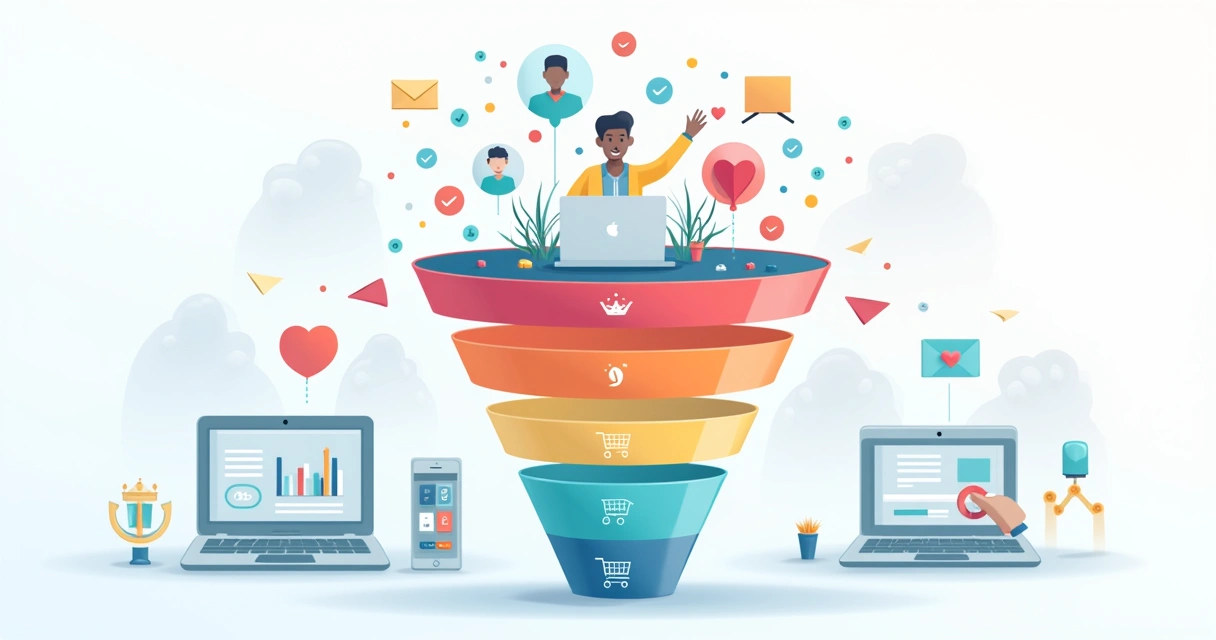 The job here is to pull people from “never heard of you” to “I’m listening.” Special offers, engaging polls, or short behind-the-scenes videos are examples. For those curious about creative content, exploring resources like this post about social media ideas can spark inspiration.
Guiding consideration: Making them want more
Once someone is interested, the funnel has to give them reasons to think: Is this the right choice for me? I notice too many businesses skip this step. They want awareness AND a sale in one leap. It rarely works. People need proof, answers, and confidence.
- Share reviews and testimonials: Let your happy customers do the talking.
- Show before and afters: This is especially true in fields like fitness, beauty, or home improvement.
- Answer questions: Address common doubts (“How long does it take?”, “Is it safe for kids?”).
- Offer value upfront: Free guides, a quick consultation, or downloadable checklists give people a taste of your expertise.
I’ve helped clients see real improvements by featuring case studies and personal stories, as you can see in this example content on business results. These not only answer questions, they reduce uncertainty. Simple, honest stories build trust far better than sales copy.
 Following up: Staying on their mind
 Following up: Staying on their mind
People’s attention doesn’t last long. After someone shows interest or considers your offer, you can’t just wait. Follow-up is vital. I always recommend these approaches:
- Email sequences: Send helpful reminders or answers, not just pitches.
- Personal DMs: If the platform fits, a quick check-in (“Do you have any other questions?”) can show you care.
- Phone call or text: For high-ticket services, a direct call makes a difference.
Follow-ups do not have to be pushy. They simply help people remember you exist and that you solve a problem they have.
Inside Strattz, we encourage prompt, polite reminders when someone downloads a free resource or signs up. Timing and tone matter. If you want more details on how to keep leads warm, I recommend glancing at this practical guide on customer engagement.
Making the purchase easy
No funnel can work without a simple, clear way to buy. Too often, I see small businesses hide their phone number, have broken booking buttons, or use checkout processes that make people give up. My advice: take the journey yourself, step-by-step. If it feels slow or confusing, your customers feel the same.
- Use clear calls to action: Each post or landing page should point to just one next step.
- Test your forms: Make sure sign-ups and checkouts work perfectly on phone and desktop.
- Cut extra steps: Fewer fields mean more sales. Only ask what you really need.
Think about your last online purchase. Was it easy, or did friction make you quit? Bringing more customers to this finish line will do more for your sales than any viral meme.
Simple tips for each funnel stage
I’ve seen growth again and again for businesses that match each piece of content to a funnel stage. Here are some of my favorite tips:
- For awareness: Post branded introductions, short videos of your shop, or “meet the team” graphics.
- For interest: Share a limited-time offer, post a poll, or run a giveaway with a small prize.
- For consideration: Publish customer case studies, testimonials, or demo videos showing the result your business delivers.
- For follow-up: Use simple email automations (“We missed you!”) or DM replies to questions.
- For purchase: Make booking or buying obvious and simple—avoid distractions at checkout.
Every post should have a job. If it doesn’t, you’re off track.
I find that mapping your content to these steps brings confidence and real results. If you want inspiration or new ideas, browse the resources available on Strattz’s content search page.
Don’t just post—build a funnel that sells
I’ve seen first-hand: Most businesses aren’t missing motivation, they’re missing a system. Posting without a goal leads to wasted time and lost sales. A digital funnel turns posts into customers by moving strangers step-by-step towards a sale.
“Marketing that works is never random.”
If you want to grow your business in Las Vegas or beyond, I recommend working with a team that treats strategy as the foundation. The approach at Strattz always focuses on clear, tracked steps from awareness to purchase—saving time, reducing cost, and growing real sales.
I invite you to get to know Strattz and see how our approach can help you stop making noise and start landing ideal clients. Reach out today and let’s turn your posts into results.
Frequently asked questions
What is a digital sales funnel?
A digital sales funnel is a step-by-step path that guides people from first learning about your business to becoming a customer.Most funnels include stages like awareness, interest, consideration, follow-up, and purchase. At each step, the goal is to move a potential customer closer to buying, often by using different messages and tools.
How do I build a funnel plan?
To build a funnel plan, first map out the main steps people take before buying from you. For each stage, decide what type of content or offer works best. For example, use short videos or ads for awareness, customer stories for consideration, and a simple checkout for purchase. Test, track, and improve each step.
Is posting without a plan effective?
No, posting without a plan almost never brings real results.Random posts might get a few likes, but they rarely turn viewers into customers. Having each post serve a clear goal moves people through your funnel and increases your sales.
What are the best funnel tools?
Some effective funnel tools include social media scheduling platforms, landing page builders, lead capture forms, email automation tools, and analytics dashboards. The right mix depends on your business and audience. Start small, connect what you use, and adjust as you grow.
How can I track funnel results?
You can track funnel results by measuring steps like views, clicks, sign-ups, and completed purchases at each stage.Use analytics from your website, email campaigns, ad platforms, and CRM. The data helps you see where people drop out and where to improve.