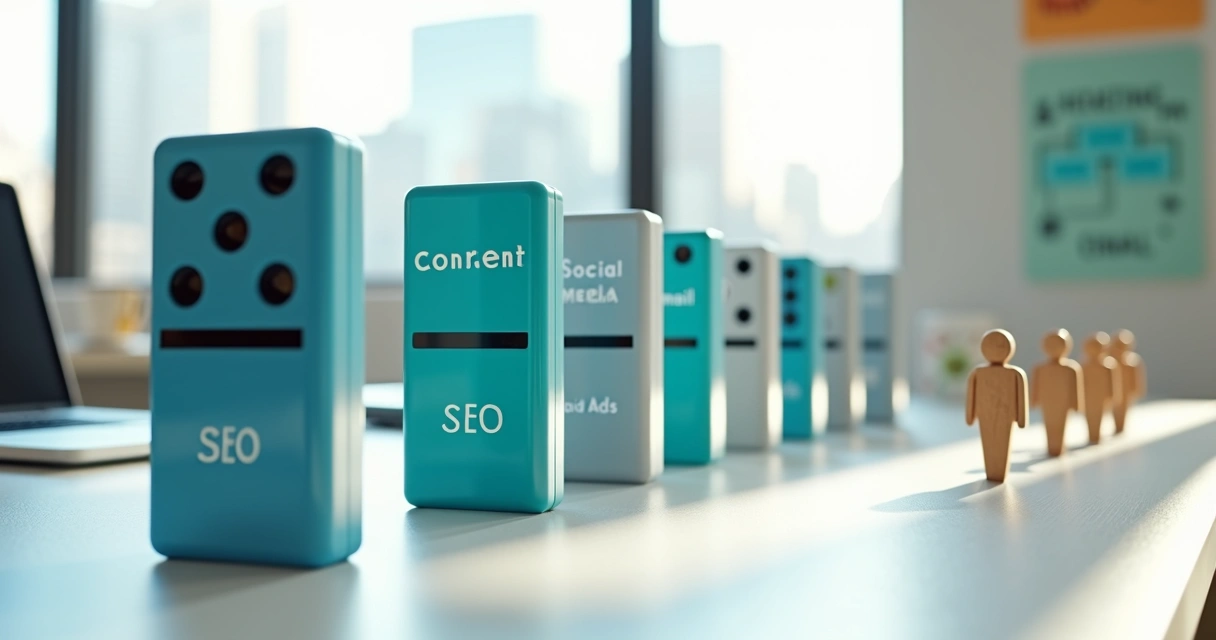
Organic content helps people trust a brand. Paid media helps a brand reach more people fast. In my experience, many small businesses treat these as two separate choices, as if they must pick one and ignore the other. That is where growth often slows down. Organic and paid social work better when they are planned as one system.
I have seen this happen with local businesses that post good content every week but struggle to get enough eyes on it. I have also seen businesses spend on ads without building trust first, then wonder why results fade. Both cases miss the same point. The audience needs a reason to care, and the business needs a way to expand reach. Agencies such as Strattz understand how to connect these pieces, which can change the pace of growth for a small business.
Trust builds. Reach scales.
Why organic social matters
Organic social is what people see from your regular posts, stories, short videos, replies, and community activity. I think of it as your public voice. It shows your tone, your values, your work, and how you treat people. When done well, it answers quiet questions in a buyer’s mind. Are these people real? Are they active? Do they know what they are doing?
For a small business, that matters a lot. People often check social profiles before they call, visit, or buy. They may not say it out loud, but they do it. I do it too. A blank or weak profile can create doubt even if the business is good.
Organic social helps in a few clear ways.
- It builds familiarity over time.
- It gives proof through photos, videos, and reviews.
- It keeps current customers engaged.
- It helps a brand look active and reliable.
One simple example is a local restaurant posting behind-the-scenes kitchen clips, customer favorites, and event nights. Those posts may not reach thousands at once, but they help people feel connected. Later, when an ad appears, that ad feels warmer because the brand is no longer a stranger.
Why paid social matters
Paid social does something organic usually cannot do on its own. It puts your message in front of the right people quickly. That speed is useful when a business has a new offer, a seasonal push, a new location, or a limited-time event. Paid social turns good content into wider visibility.
I have noticed that many owners resist ads because they think paying for reach means their content failed. I do not see it that way. Social platforms limit how many followers see organic posts. Even strong content can stay hidden. Paid social helps break that limit.
Paid campaigns can support goals such as:
- Driving traffic to a website or landing page
- Getting direct messages and inquiries
- Promoting a launch or special offer
- Reaching local people by area, interest, or behavior
That is why agencies with a results-focused method, like Strattz in Las Vegas, often pair paid media with content strategy instead of treating ads as a stand-alone tool. The ad gets attention. The content supports the decision.
 What happens when businesses separate them
 What happens when businesses separate them
When organic and paid are treated as separate tracks, waste tends to grow. I have seen businesses post every day with no clear goal, then run ads that use different visuals, different messages, and different offers. The audience gets mixed signals. The brand feels inconsistent.
Another common problem is paying to promote weak content. If the message is unclear or the page looks inactive, more reach will not fix the deeper issue. It can even make the gap more visible.
Here is where one connected plan makes a difference:
- Organic content tests what people respond to.
- Paid media pushes the strongest message to a larger audience.
- New visitors check the profile and see a brand worth trusting.
- The business gets better returns from both sides.
I like this approach because it feels practical, not abstract. It is not about posting more just to stay busy. It is about making each part support the other.
How both work together in real life
Let me use a simple story. Imagine a local med spa wants more bookings for a new treatment. The team posts organic videos that explain the treatment, show the space, answer common questions, and share client results with permission. Those posts begin to build trust.
Then the business runs paid ads using the best-performing video and targets people in the local area. Now the ad reaches new people fast. Some click the profile first. What do they see? Helpful posts, real visuals, and a clear brand. That makes the decision easier.
Organic content warms people up, while paid social speeds up discovery.
This is often how smart agencies work behind the scenes. They do not just ask what to post or what to boost. They ask how the whole journey fits together. Strattz does this by combining creative work, branding, social media, video, and paid media into a single path that supports sales, not just likes.
If you want more ideas about building a stronger content base, I suggest browsing the latest insights from Strattz. I find that learning from teams that work on both strategy and execution helps owners think more clearly.
How small businesses can balance both
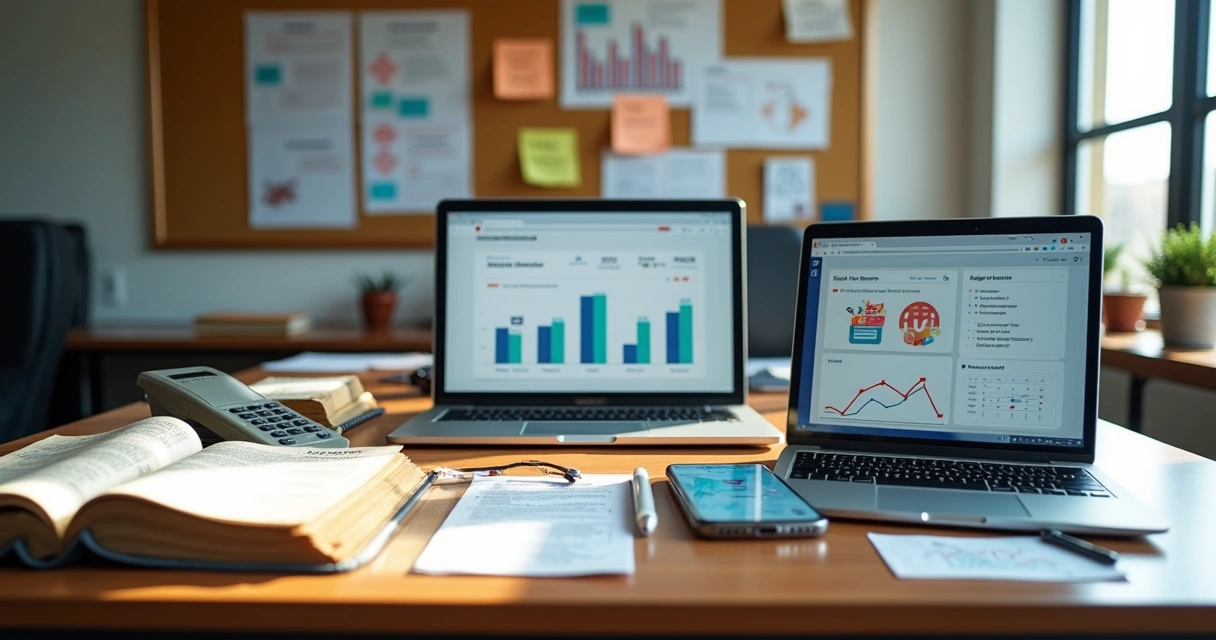
You do not need a huge budget to connect organic and paid. You need a clear process. In my view, small businesses should start with a modest but steady plan.
A balanced approach often looks like this:
- Post useful organic content each week
- Review which posts get strong saves, shares, replies, or watch time
- Turn the top content into paid campaigns
- Send traffic to a clear next step such as a form, message, or booking page
This keeps paid media grounded in real audience response. It also keeps organic content tied to business goals. For businesses that want to sharpen this process, resources like practical social strategy guidance, content planning ideas, and campaign improvement tips can help shape better decisions over time.
I also think it helps to review your content library often. Look for topics people respond to, visuals that feel authentic, and offers that match real demand. If you need to sort through topics faster, a useful starting point is the content search page where ideas can be found more easily.
Why agencies often get better results
 Why agencies often get better results
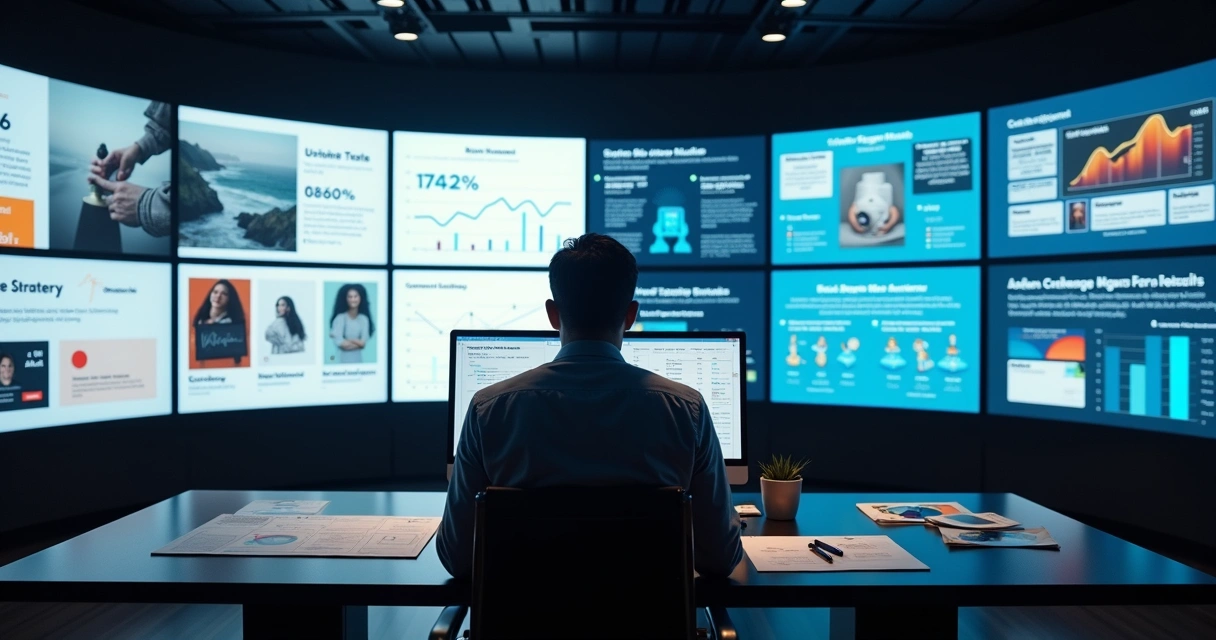
I have noticed that agencies tend to see the bigger picture because they look at content, audience, design, timing, and conversion together. That outside view matters. A business owner is busy running the business. Marketing can become one more task squeezed into the day.
When a team like Strattz handles social media, paid ads, video, branding, and web work together, the message stays more consistent. That can save time, reduce wasted spend, and create a smoother path from first impression to sale. The business owner gets a plan instead of scattered actions.
This does not mean small businesses must copy every agency tactic. It means they can learn the habit of thinking in connected steps. One post. One promotion. One message. One goal.
Conclusion
Organic social builds trust. Paid social expands reach. I believe small businesses grow faster when they stop treating these as separate choices and start using them as one plan. That is the lesson many agencies already follow, and it is one small businesses can apply right away. If you want a partner that brings social media, paid campaigns, branding, video, and web strategy into one direction, get to know Strattz and see how that joined-up approach can help your business grow with more clarity.
Frequently asked questions
What is organic social media marketing?
Organic social media marketing is the unpaid side of social media. It includes regular posts, stories, videos, comments, and community interaction. I see it as the part that helps a business show its personality, share proof, and build trust over time.
How does paid social differ from organic?
Paid social uses ad spend to place content in front of more people, often based on location, interests, or behavior. Organic social depends on natural reach from followers and platform visibility. Paid moves faster, while organic builds stronger familiarity over time.
Is it worth combining organic and paid?
Yes, combining organic and paid usually leads to better results than relying on only one. In my experience, organic content gives people confidence in the brand, and paid social helps that message reach new audiences faster.
How can small businesses balance both?
A simple way is to post consistently, track which content gets the best response, and then promote the strongest pieces with paid campaigns. I think this helps small businesses spend smarter while keeping their message aligned across both channels.
What are the benefits of using both?
Using both can improve brand trust, expand reach, support lead generation, and create a better customer journey. When I look at campaigns that perform well, I often see this pattern: people discover the brand through paid content and decide to act because the organic presence feels real and active.