A useful Las Vegas content calendar connects your social posts to the moments customers are planning around, from convention weeks and holiday weekends to seasonal shifts in demand. For local businesses, the goal is not to post about every event. It is to prepare relevant content early, publish it when customers need it, and leave room to respond when plans change.
Key takeaways for planning local content
- Build your schedule around customer demand, not just a list of holidays.
- Plan campaigns backward from the date they need to go live.
- Match each post to a specific audience, offer, and business goal.
- Keep flexible publishing slots for timely opportunities and updates.
- Review results monthly and use them to improve the next cycle.
Plan around customer demand, not just the holiday calendar
A local marketing calendar works best when it reflects what customers are likely to need and when they need it. Major conventions, concerts, sports weekends, school breaks, holidays, and neighborhood events can all create useful planning cues, but their relevance varies by business and audience.
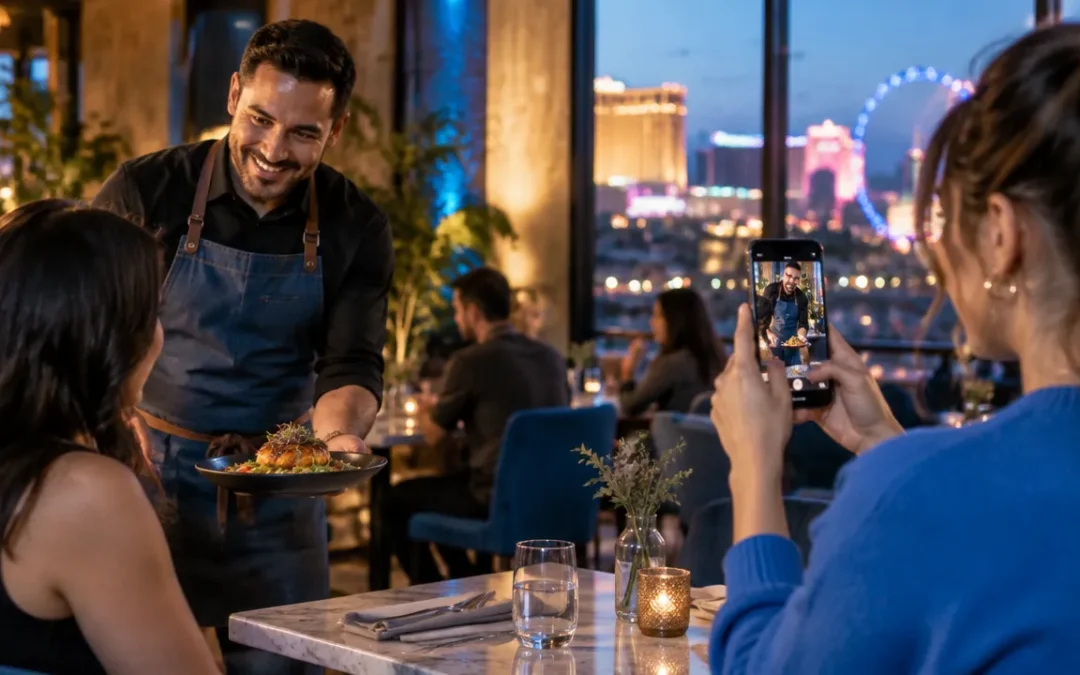
A restaurant might prepare reservation reminders and limited-time menu content for a busy weekend. A salon could promote advance appointments before a holiday. A home-service business may focus on seasonal maintenance instead of event posts that do not match its customers’ needs.
Before adding a moment to your schedule, ask three questions: Does it matter to our customers? Can we offer something genuinely useful? Can we deliver the product or service we plan to promote? If the answer is no, leave it off. A smaller calendar of relevant posts is more valuable than a packed feed that feels disconnected from the business.
Use local moments as campaign cues
Local moments can help shape content, but they should not dictate every post. Use them as cues to plan useful information, timely offers, or service reminders that make sense for your audience.
| Planning cue | Possible customer need | Content angle |
|---|---|---|
| Convention or conference | Convenient meals, appointments, or nearby services | Availability, location, booking details, or a relevant offer |
| Holiday weekend | Gift ideas, reservations, or adjusted hours | Order deadlines, hours, and simple ways to plan ahead |
| Seasonal change | Products or services suited to the season | Preparation tips, service reminders, or a seasonal collection |
| Neighborhood event | Local discovery and practical visit information | Directions, parking guidance, or a community-focused post |
Treat these examples as prompts, not assumptions. Confirm event details before referencing them, and avoid suggesting an official partnership unless one exists.
Work backward so campaigns are ready before demand peaks
Start with the date customers should see the campaign, then map the work needed to publish it. Posting at the last minute often leaves too little time for creative production, approvals, scheduling, and paid promotion.
- Choose the goal. Decide whether the campaign should drive bookings, visits, inquiries, sales, or awareness.
- Define the audience and offer. Be clear about who the content serves and what action you want them to take.
- List the assets and approvals. Note whether you need photography, video, design, a landing page, or staff input.
- Schedule the content. Assign a publish date, channel, owner, and call to action to every planned post.
- Set a check-in point. Verify event details, availability, and promotion terms before content goes live.
For a campaign that needs original video or several approvals, allow more preparation time than a simple hours update. The right lead time depends on the work involved, so build the schedule around actual production needs instead of relying on a one-size-fits-all rule.

Keep a steady rhythm and reserve space for timely updates
A planned calendar should create consistency without making your business slow to react. Set a realistic publishing rhythm your team can sustain, then reserve a few open slots each month for changing inventory, customer questions, or newly confirmed local opportunities.
Give each channel a clear job. Short-form video can show a product, service, or behind-the-scenes moment. Stories can share timely reminders or answer common questions. Feed posts can explain an offer, demonstrate expertise, or provide information customers may want to revisit.
Prepare reusable content for recurring needs, such as frequently asked questions, staff introductions, service explanations, and customer guidance. These posts give you a dependable fallback when an event plan changes or a promotion is no longer available. Keep dates, prices, hours, and availability easy to update before anything is published.
Match the content to the type of Las Vegas business
Good local content makes the next step obvious. A restaurant can share booking instructions and menu details before a high-demand weekend. A boutique can show gift options with clear ordering deadlines. A fitness studio might offer an introductory class to nearby residents, while a professional service can publish practical advice that addresses a recurring customer concern.
Use a simple planning brief for every campaign:
- Audience: Who should find this useful?
- Need: What question or problem does the post address?
- Action: Should the viewer book, call, visit, or shop?
- Proof: What detail helps the customer decide, such as availability or service information?
This keeps event-related content grounded in your offer rather than relying on vague references to what is happening around town.
Measure performance and improve the next calendar
Review each campaign against the goal you set at the start. For booking posts, look at inquiries and completed reservations. For awareness content, review reach and meaningful engagement. For a promotion, compare sales or redemptions with the effort and cost of producing it.
Record what worked, what missed, and what changed after publication. Note which formats earned attention, which calls to action generated responses, and whether customers had questions your content did not answer. Use those observations to plan the next month, rather than repeating posts simply because they appeared on last year’s calendar.
Strattz helps Las Vegas businesses turn this planning into consistent social media content, creative production, and campaigns tied to real business goals. A strategic partner can coordinate the calendar, production, and publishing so your team spends less time reacting and more time serving customers.
Frequently asked questions
What event is in Vegas this week?
A Las Vegas event calendar changes throughout the year, so the right event depends on the date and the customers you want to reach. Before posting, confirm the event’s schedule with its organizer or venue, check that it fits your audience, and make sure your offer is useful to attendees.
How do you schedule a content calendar?
Start with business goals, audience needs, and local moments that matter to customers. Add each campaign to a shared calendar with a publishing date, channel, owner, creative needs, and call to action. Plan major promotions weeks ahead, then review the schedule regularly so timely opportunities can fit without derailing planned work.
How do conventions affect local business marketing in Las Vegas?
Conventions can bring concentrated demand for nearby restaurants, retailers, salons, transportation providers, and other businesses. The opportunity depends on attendee needs, location, and timing. Create useful posts or offers for a specific audience, verify event details before mentioning them, and avoid implying an affiliation that your business does not have.
When should a Las Vegas business plan seasonal content?
Plan seasonal content several weeks ahead, with more lead time for campaigns that need photography, video, paid promotion, or approvals. Add flexible slots for timely local opportunities, and confirm dates before publishing. Reviewing the calendar monthly helps your team adjust for changing business priorities and audience response.
What should a Las Vegas business post during a busy event weekend?
Share practical information customers can use, such as updated hours, reservation options, product availability, service details, and a clear way to contact you. Tailor the message to your business and the audience you serve. Verify event timing and any offer terms before publishing, and keep a non-event post ready as a backup.