Every business wants to move potential clients from discovery to purchase, but how do you know what to say at each stage? I get this question regularly. The truth is, content should match where someone is along the sales funnel. I’ll break down what works, what doesn’t, and how you can raise interest, build trust, and win loyal customers using the right content at the right time, just as we do at Strattz.
Understanding the sales funnel and why it matters
When I think about the sales funnel, I see it as the path your audience takes from first hearing about your brand to finally deciding to buy. It has three main stages:
- Top of the funnel (ToFU): Where people become aware of your brand.
- Middle of the funnel (MoFU): Where they consider your product or service and weigh their options.
- Bottom of the funnel (BoFU): Where purchase decisions are made.
Each stage asks you to answer unique questions, solve specific problems, and provide the right information. If you pitch too soon, you’ll lose interest. If you’re too vague at the end, you miss sales.
Pitch to the right person at the right moment.
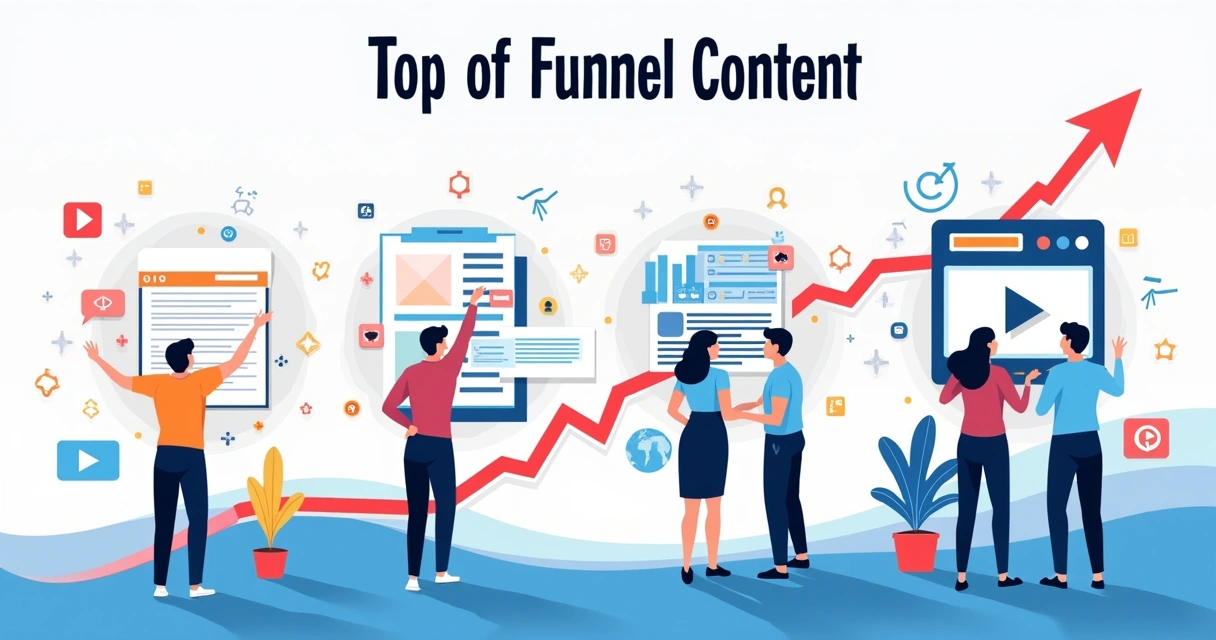
Top of the funnel: Building awareness
In the first stage, your audience probably doesn’t even know your brand or what you offer. This is when you introduce yourself. You need content that grabs attention and sparks curiosity—but you are not selling here.
The best content types for this stage include:
- Blog posts answering common questions or giving tips.
- Social media updates that start conversations or share viral-worthy facts.
- Infographics that share data or tell a quick story visually.
- Short, snappy videos for platforms like Instagram, Facebook, or YouTube.
At Strattz, I’ve seen a well-made infographic about the benefits of social media marketing bring thousands of new visitors. Another time, a client’s blog post on “Top Signs Your Website Needs an Update” brought in readers who had never heard of them before.
The secret here is timing. These pieces should go out when your audience is likely to be scrolling and curious—think weekday mornings or lunch breaks. Use attention-grabbing visuals and headlines, and always include a soft call to action, like “learn more” or “follow for updates,” inviting people to keep exploring.
 Don’t forget to link to helpful resources. If people want to learn more, guide them to archive pages or author profiles, like what’s on the Strattz author page or via our search tool.
Middle of the funnel: Nurturing interest and consideration
Once an audience knows you exist, some will want to see why you are different. I think this is the most challenging stage, because here visitors are comparing all their options and looking for substance.
Here’s what works for this step:
- In-depth guides that solve a very specific problem (like “How to Grow Your Instagram Following”).
- Case studies showing how you helped someone, with before and after results.
- Email newsletters to send curated tips or stories straight to inboxes.
- Webinars for live Q&A sessions or in-depth training.
- Robust FAQ pages that answer both simple and tough questions, showing real knowledge.
I once created a detailed case study for a restaurant owner who more than doubled reservations after working with Strattz. We included photos, quotes, and hard numbers—a powerful way to build trust. Another time, an educational webinar helped answer customer doubts faster than pages of blog posts. For more inspiration, see some real content ideas at this in-depth guide.
Timing matters here too. These pieces should be shared after a follower interacts a few times or subscribes to your email list. The middle of the funnel is where you move from “nice to know” to “I need this.”
 I always recommend providing deeper links at this stage. If a visitor shows interest, let them dig into case studies like detailed real-life results, or search for more information with an advanced option like this search tool.
Bottom of the funnel: Driving decisions and sales
At the bottom of the funnel, your goal is clear: help people feel confident enough to buy. This is where you address final hesitations and show proof that you deliver.
I’ve noticed the content types below work best right before the decision:
- Customer testimonials and reviews.
- Product demonstration videos showing how to get started.
- Free trial offers, downloadable samples, or discount codes.
- Detailed product or service pages listing all features, FAQs, and benefits.
Once, for a local service business, we added a simple “Schedule a Free Consultation” button beneath glowing testimonials. The result? Conversions doubled. If your goal is to drive action, keep the message short and direct.
Make it easy for your visitor to say yes.
For examples of content focused on bringing people to a decision, review straightforward offer pages like this practical landing page.
How to move users through the funnel
So how do you lead people to the next stage? I think the answer is:
- Watch for signs they’re ready for more (comments, downloads, time on page).
- Change your call to action: start with “learn more,” move to “see a case study,” and finish with “start your free trial” or “buy now.”
- Adjust headlines and messaging to match their mindset. As someone gets closer to buying, make your message more specific, focused on outcomes and value.
Every action you request should be clear and match what a user needs at that point—never skip steps, and never ask too much too early.
How to check and improve content performance
I learned, sometimes the hard way, that just creating content is not enough. It’s smart to:
- Monitor your analytics—see what gets clicks, time on page, shares, and comments.
- Ask for feedback, either in emails or through simple surveys.
- Test different styles, formats, and timing to see what works best for each audience group.
If a blog post brings in visitors but no one goes further, change your call to action. If case studies keep people reading but they don’t convert, update your offer or testimonial. What gets you results today may not work tomorrow, so keep looking at your numbers and listening to your readers.
Final thoughts: Adjust, improve, and put your audience first
In my experience, every step of the sales funnel is about meeting your audience’s needs at the right time and leading them to the next logical action.
Match your content to the stage. Guide, don’t push. Change your messaging as your follower moves from “just looking” to “ready to buy.” When you pay attention to timing, format, and outcomes, you set up every campaign for better results.
If you want to see how experienced social media marketing can make this process easier, take the next step with Strattz and let our team help you turn visitors into loyal customers.
Frequently asked questions
What is the sales funnel in marketing?
The sales funnel maps the journey a potential client takes from discovering your brand to making a purchase. It usually has three stages: awareness (top), consideration (middle), and decision (bottom). Each stage requires different messages and content types to move people closer to becoming customers.
How to create content for each funnel stage?
I suggest starting with general, attention-getting pieces for the top of the funnel, like helpful blog posts and engaging social media. For the middle, use deeper material—case studies and guides—that builds trust. At the bottom, show clear value and proof through testimonials, demos, or direct offers that encourage a final step.
What type of content works best for leads?
Lead-focused content should be educational but also move toward a decision. Case studies, tutorials, email sequences, and webinars often work best to help leads compare solutions and understand your strengths.
When should I use bottom-funnel content?
Bottom-funnel content, such as testimonials, product pages, and free trials, fits best when your audience is well-informed and close to making a purchase. Offer it after someone has shown strong interest—like subscribing to a newsletter, asking questions, or returning for a closer look.
How can I measure content effectiveness?
I check page analytics, such as bounce rates, time on page, clicks, and conversions. If a piece of content helps people take the next desired step—signing up, calling, or buying—then it’s working. Use audience feedback and performance stats together to keep improving your strategy.