Attention on social media is won or lost in under three seconds. I have seen good content disappear because nobody stopped for the opening moment. I have also seen simple content perform well because the first visual was sharp, clear, and impossible to ignore.
If people do not notice your content at once, they will not give it a chance.
That is why the visual hook matters more than anything else at the start. When I say visual hook, I mean the part people see before they decide to stay. It can be the thumbnail, the first frame of a video, or a headline overlay on screen. These are not decorative parts. They are the trigger that tells the brain, in a split second, whether something deserves attention.
In my experience, this short window changes everything. A user is moving fast, often without sound, and making instant choices. Your content has to interrupt that motion. Not with noise, but with a clear visual reason to stop.
Why the first three seconds decide everything
I think many brands still treat the beginning of a post as setup time. That is a mistake. Social feeds do not reward slow starts. The audience does not wait for your point to arrive later.
Three seconds decide the rest.
The first seconds matter because they are where the eye scans for relevance. The brain asks a few fast questions:
- Is this new?
- Is this clear?
- Is this about me?
- Is this worth another second?
If the answer is no, the scroll continues. I have noticed this pattern again and again when reviewing content plans and video edits. Teams like Strattz often focus heavily on this opening because once attention is gone, the message itself does not matter.
The opening visual is not a warm-up. It is the test.
What counts as a visual hook
A visual hook is any first-seen element that creates a pause. It works before the full message is processed. In simple terms, it is what gets noticed first.
The most common forms are easy to identify:
- A thumbnail with a clear subject and strong contrast
- A first video frame that shows motion or tension right away
- A headline overlay with few words and a direct promise
- A face looking at the camera with a strong expression
- An unexpected object, angle, or crop that creates instant curiosity
I once watched two versions of the same short video. One opened with a wide shot of a room. The other opened with a tight shot of hands moving fast over a product. The second version held attention much better. Same topic. Same message. Different first impression.
That is the point. The visual hook is not the whole story, but it gives the story permission to continue.
What makes people stop scrolling
Stopping the scroll is both a science and a craft. There are patterns that work because of how people process visual information, but there is also taste, timing, and skill in how those patterns are used.
From what I have seen, strong visual triggers usually fall into a few groups:
- Contrast. Bright against dark, still against motion, close-up against empty space.
- Human focus. Eyes, hands, facial reaction, and body direction pull attention fast.
- Text clarity. A short on-screen line can frame the whole meaning in one glance.
- Immediate action. Movement in the first frame gives the brain a reason to follow.
- Pattern break. Something that looks different from the feed around it stands out.
These triggers work because they reduce the effort needed to understand what is happening. The easier it is to read the first moment, the higher the chance of getting the next one.
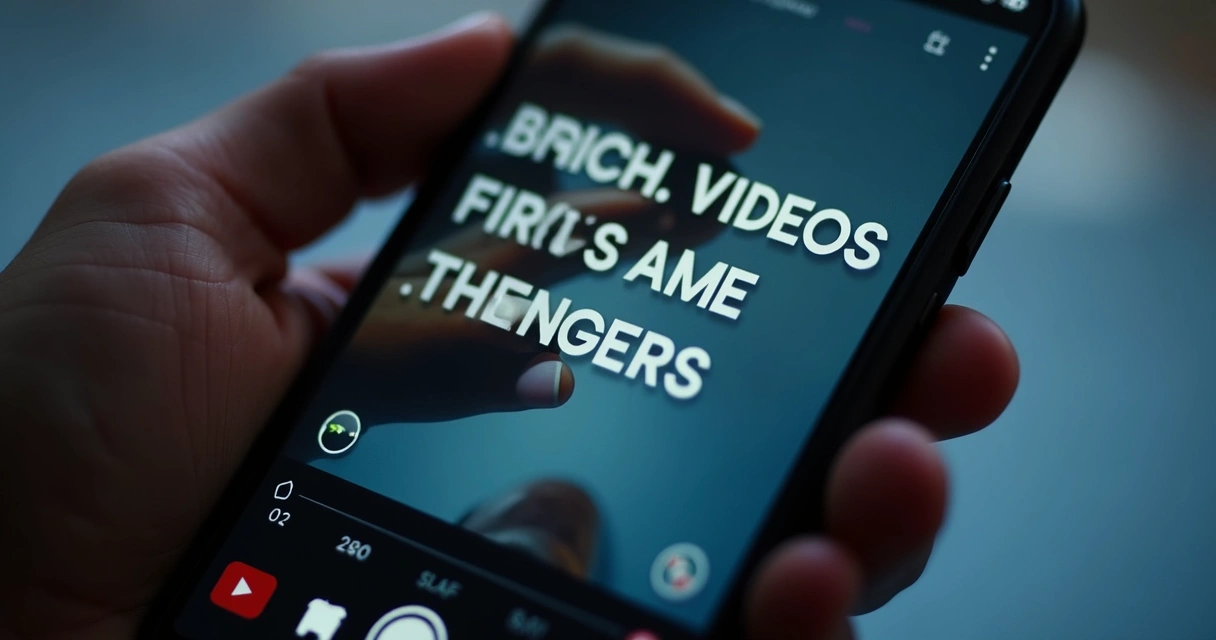 I also think many people confuse busy visuals with effective hooks. They are not the same. Too many elements at once can blur the message. A hook should create focus, not clutter.
Why skilled creative teams often get better results
I have worked around both solo content creation and team-based production, and the gap is real. One person can have good ideas, but experienced creative teams usually perform better in the first three seconds because several skills come together at once.
A strong opening often depends on:
- Someone spotting the best frame
- Someone writing a short and sharp overlay
- Someone shaping color, contrast, and crop
- Someone reviewing whether the hook reads well on mobile
That mix is hard to match alone. In my view, this is where agencies like Strattz have an edge. A team can test, adjust, and refine the first visual from different angles. That process improves judgment. It also lowers the chance of publishing a weak opener that feels fine in editing but fails in the feed.
Great hooks rarely happen by accident. They are built through review, practice, and sharp creative choices.
If you look at content that stops you without effort, there is usually a team mindset behind it, even when the final piece looks simple.
How the main hook types do different jobs
Not every visual hook grabs attention in the same way. I think it helps to see them as different tools for different reactions.
A thumbnail works before the video starts. It has one job, make the content look worth entering. A first frame works during autoplay. It needs to create instant clarity while the thumb is still moving. A headline overlay works as a fast promise. It tells the viewer what they are about to get.
Here is how I see their roles:
- The thumbnail earns the first glance.
- The first frame earns the pause.
- The overlay earns the next second.
When all three align, the opening feels clean and direct. When they fight each other, attention drops. I have seen thumbnails promise one thing while the first frame shows another. That weakens trust in a second.
For brands trying to grow online, this alignment is where much of the real work lives. It is one reason I often tell people to study examples, such as the ideas shared on the Strattz author page, or review related posts like this article on the blog, another content example, and one more post that expands the topic. I also like using the site search when I want to compare ideas around content structure.
 Why practice changes what works
 Why practice changes what works
I do not think visual hooks are random. People get better at them by seeing patterns, testing ideas, and learning what earns a pause. That is where the science meets the craft.
The science is in attention behavior. People respond to contrast, faces, motion, and clarity. The craft is in deciding which of those signals belongs in the first frame, and how much is enough. That judgment takes time.
I have seen creators improve a lot just by tightening the first second. Not changing the whole piece. Just changing the opening image, the crop, or the on-screen words. That small shift can change whether a post is seen at all.
So when I think about social media performance, I keep coming back to this. The first three seconds are not a detail. They are the gate.
Conclusion
In my experience, the best-performing content respects how fast people decide. The thumbnail, the first frame, and the headline overlay each have a direct job, and together they form the visual hook that gets content noticed. If those first signals are weak, the rest of the message stays unseen.
That is why strong creative teams often do better. They bring sharper eyes, better editing choices, and more control over the exact moment that makes a person stop scrolling. If you want content that earns attention faster and turns those first three seconds into real business value, get to know Strattz and see how a skilled team can shape stronger visual hooks for your brand.
Frequently asked questions
What are visual triggers in video content?
Visual triggers are the first visual signals that catch attention in a video. I would include things like a bold thumbnail, a strong first frame, clear movement, a face, or a short headline overlay. Their job is to make the viewer pause long enough to notice the content.
How can I hook viewers in 3 seconds?
You hook viewers in 3 seconds by making the first image clear, fast to read, and visually different from the feed around it. In my view, the opening should show one main subject, strong contrast, and a direct visual promise. If the viewer has to figure it out, you are already late.
What makes viewers stay and watch longer?
What makes viewers stay is a clean link between the opening hook and the content that follows. I have seen that when the first frame creates interest and the next seconds confirm that interest right away, watch time improves. A strong start gets the pause, and clear follow-through keeps the viewer there.
What are the best hooks for videos?
The best hooks for videos are usually close-up action, clear facial focus, sharp headline overlays, and strong contrast in the first frame. I think the best choice depends on the message, but the winning trait is the same. It must be easy to understand at a glance.
Is it worth it to use visual triggers?
Yes, it is worth it because visual triggers decide whether your content gets seen at all. I have watched strong ideas fail because the opening looked flat. Visual triggers give your message a real chance by helping it stop the scroll before the viewer moves on.