If you look around, almost everyone you know is online. That’s a simple reality now, and as I’ve learned through my years in digital marketing, numbers support it more than ever. In early 2026, the global social media user base reached a staggering 5.66 billion, with about 69% of the planet connected to these platforms. Growth in user identities shows no sign of stopping, with platforms like Facebook, YouTube, and Instagram leading the way (see the latest user data).
As a business owner or marketer, the competition to grab attention and nurture real connections has never been more intense. Traffic management—or, as many call it, Gestão de Tráfego—plays a massive role in this daily battle. It’s more than pushing out content or running ads; it’s about attracting, analyzing, and directing the right audience to your digital presence, increasing not only visits but also engagement, followers, leads, and sales.
In this guide, I share practical steps, real stories, and strategies that I have seen work, especially in local markets like Las Vegas, where Strattz has helped businesses stand out with focused, data-driven approaches.
What does traffic management mean in digital marketing?
I often get this question from clients:
Is traffic management just about bringing more people to my page?
The answer is no. It’s about bringing the right people at the right time, to the right place, through the best possible method.Traffic management in digital marketing refers to the process of generating, capturing, and directing relevant visitors to a company’s online assets, while constantly monitoring and refining strategies to achieve business goals.
This practice blends techniques from paid campaigns and organic growth to increase your brand’s visibility and drive people toward actions—visiting your site, following you on social media, contacting you, or buying your products.
For companies seeking growth in competitive local markets, like those Strattz supports, it isn’t enough to just show up where customers are. You need to stand out, deliver value, and measure every step to ensure your efforts result in visible business improvements.
Paid traffic vs. organic traffic: what’s the difference?
Before you can succeed in social media growth, you need to understand the two main sources of website and profile visits: paid and organic. They both feed into your overall results but work in very different ways.
Paid traffic: precision and speed
Paid traffic means you pay for visibility—your business appears instantly at the top of feeds, search pages, or timelines, targeting specific demographics, locations, and interests.
The most popular platforms for paid campaigns include:
- Google Ads (search and display)
- Meta Ads (Facebook and Instagram ads)
- Instagram Ads (via Meta)
- Other paid channels like LinkedIn Ads, YouTube Ads, and more
When I work with local businesses, paid traffic is often where we start if the goal is fast growth or immediate lead generation. With the right targeting (think location, age, interests), you can connect with audiences very intentionally and drive quick results.
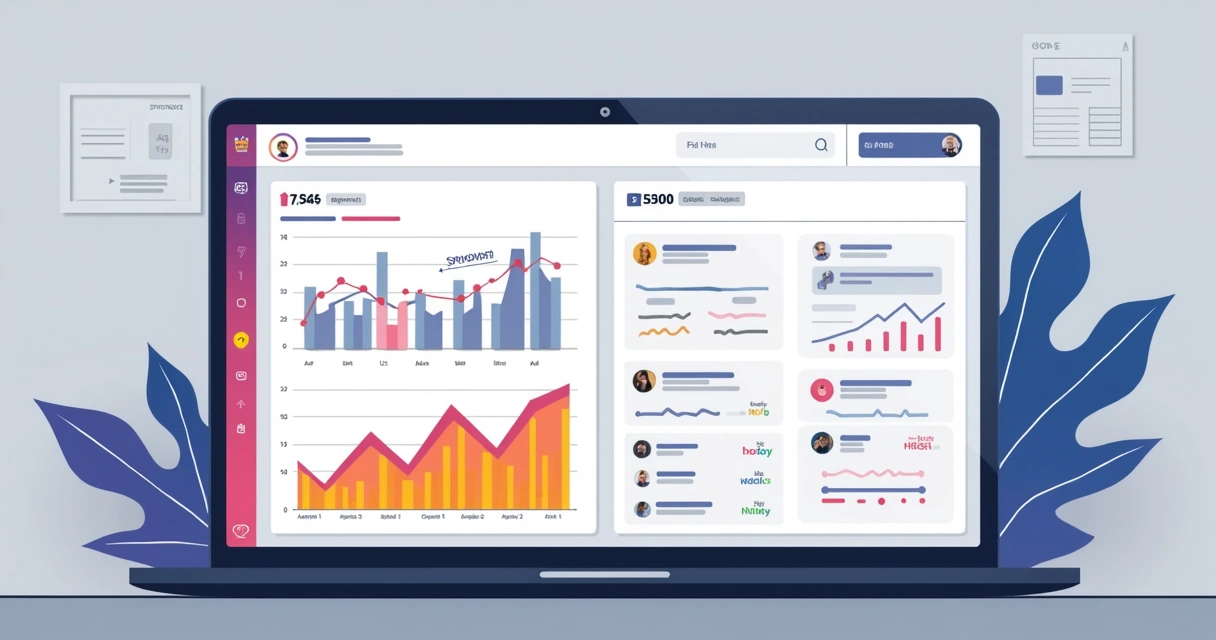 Yet, paid campaigns can get expensive fast, and once you stop paying, traffic drops. That’s why focusing on organic reach is just as necessary.
Organic traffic: trust and longevity
Organic traffic is all about the people who find your business naturally: they see your post, visit your page, or click your link on search engines because something about your brand resonates. Quality matters here, as researched by the University of Arizona, which found that investments in brand quality and awareness directly boost clicks on organic links.
- SEO (search engine optimization) brings organic visitors to your website.
- Consistent, engaging social content draws followers and shares.
- Reviews, comments, and mentions support ongoing discovery.
Organic growth is slower, but it pays off in trust, higher click-through rates, and long-term performance. In my experience, customers who arrive organically are often more engaged—and a study by NYU Stern highlights that paid and organic listings work better together, with organic results boosting paid ad clicks far more than the reverse (summary here).
Why is traffic management so impactful for local businesses?
When I think about the Las Vegas market, one thing stands out: competition is everywhere. Local businesses fight for attention against huge chains, online retailers, and each other. Good traffic management makes all the difference.
For local businesses, effective control of your digital audience opens the door to more leads, higher sales, and stronger brand recognition—without wasting budget on the wrong viewers.
Let’s look at a scenario. Imagine a new restaurant launches in Las Vegas. If it relies on word of mouth alone, growth will be slow. But if it invests in sponsored posts for people in a 10-mile radius who like local dining, and pairs this with engaging organic Instagram stories about menu items, it quickly fills tables. Over time, with a regular flow of organic followers sharing their positive experience, the profile grows even faster.
 Strattz has shown me that, especially for small or new businesses, this joined approach—mixing paid and organic strategies—levels the playing field against big players and lets brands create serious impact with even limited budgets.
The role and skills of a traffic manager in an agency
If you ask me what makes or breaks digital campaigns in an agency setup, I’ll always point to the expertise of the traffic manager. Here’s why.
The traffic manager is the person responsible for planning, executing, monitoring, and adjusting campaigns across all channels, ensuring they remain aligned to business objectives and deliver measurable results.
Effective management blends creative skills with analytical thinking. Let me break down the typical responsibilities:
- Analyzing market trends, audience data, and competitors
- Building a funnel strategy—attract, engage, convert, and retain
- Setting up paid campaigns on platforms like Google, Meta, and Instagram
- Monitoring performance dashboards and optimizing in real time
- Interpreting analytics to refine strategies weekly or monthly
- Collaborating with creative, content, and design teams to produce campaign assets
A successful traffic manager (or team) has these key skills:
- Strong analytical skills with knowledge of tracking tools
- Data-driven mindset for rapid testing and learning
- Clear communication, as you must align marketing, sales, and management
- Creativity to design campaigns that engage real people, not just algorithms
- Adaptability, since platforms, ad rules, and consumer behaviors shift constantly
Over the years, I’ve worked side-by-side with traffic managers who would notice a small drop in conversion rate and instantly tweak ad copy or change targeting. That kind of fast, insightful response can mean the difference between wasted spend and a winning campaign.
How to plan and run effective paid traffic campaigns
It’s easy to launch an ad. It’s much harder to consistently build ROI-positive campaigns. That’s where detailed planning and hands-on optimization matter.
Step 1: Set clear goals and KPIs
Every campaign must start with a goal—grow followers, generate leads, boost sales, promote an event, or drive app installs.
Ask yourself:
- What is the specific target? (e.g., “Get 100 bookings for March”)
- How will I measure progress? (KPIs like clicks, leads, sales, follower growth)
- What’s the timeline and budget?
- Who is the audience? (location, age, interests, pain points, language)
Clear answers make every later stage easier and more effective.
Step 2: Choose the right channels and formats
Not all platforms are equal for every business. For example, Instagram is visual and great for food, fashion, and lifestyle. Google works better for services people actively search for. Facebook offers detailed targeting and a broader demographic reach. The choice should fit your business and your audience’s online habits.
- Feed ads and Stories for visual brands
- Google search ads for urgent intent (e.g., “pizza near me now”)
- Display ads when brand awareness matters more than direct sales
- Short-form video ads for engagement and virality
Blend several types for best results, but don’t try to do everything at once, especially when budget is limited.
Step 3: Craft tailored ad content and landing pages
The best campaign won’t succeed if your content or landing page doesn’t match audience expectations and inspire action.
In my own work, I’ve seen engagement skyrocket by tweaking a headline to match the language of the audience or adding a special offer just for social followers. Small details, like using the audience’s city name or a trending hashtag, boost relevance and conversions.
- Keep ad visuals clear and on-brand
- Write concise, direct copy with a single clear call-to-action
- Match the ad promise with what users find on the landing page
- Test variations to spot what resonates best
Step 4: Launch, test, and monitor in real time
Once campaigns go live, the work is far from done. Watch which ads and audiences perform best. Split test multiple versions (“A/B testing”). Adjust budgets to prioritize winning ads.
Real-time dashboards let you identify what’s working and what isn’t. If you notice low engagement on a certain ad set, pause it and redirect funds to higher-performing ones.
 Step 5: Analyze, adapt, and report
 Step 5: Analyze, adapt, and report
The magic of traffic management lives in continual analysis and adjustment—not in set-and-forget campaigns.
Every week or month, review detailed analytics: did you hit your KPIs? Which ad copy performed best? What audience segment converted at the lowest cost? Use this data to improve future campaigns and spot new opportunities.
In agency work, clear reporting helps business owners see real progress, understand ROI, and make confident decisions about where to invest next.
What about organic traffic and content strategy?
Paid campaigns deliver fast impact, but organic growth shapes your brand’s long-term health and customer loyalty. In my opinion, pairing both approaches is where real growth happens.
Organic social media results don’t require direct payments to the platforms. But they demand consistent, high-quality content that adds value for your followers, answers their questions, and encourages sharing.
These are some techniques that consistently build organic reach for the clients I work with at Strattz:
- Daily or weekly posting schedules with mixed media—photos, videos, Stories, and Reels
- Creative use of trending hashtags and local events
- Replying quickly to comments and DMs to drive engagement
- Highlighting user-generated content to boost authenticity
- Educating with tips, guides, quick wins, and fun facts
And of course, SEO remains a cornerstone of digital presence. Regularly publishing optimized blogs and guides helps catch organic searches and supports every other channel, as recent findings from the University of Arizona underline.
Organic trust lasts longer than any paid click.
Audience segmentation: making every message count
One thing I have learned is that no single message will attract everyone. That’s where segmentation, a core part of traffic management, is absolutely necessary.
Audience segmentation means dividing your potential audience into groups based on demographics, interests, behavior, or stage in the customer journey, and designing messages just for them.
For example:
- Young adults looking for nightlife deals in Las Vegas want energetic, visual content.
- Tourists seeking family dining want easy-to-read menus, kid-friendly enticements, and positive local reviews.
- Locals loyal to a specific neighborhood may respond to unique mentions of events “just for locals.”
This micro-targeting supports both paid and organic strategy. It also nurtures stronger brand connections, since every message feels more personal and timely.
Effective use of social platform ad managers and analytic tools allows for granular segmentation. You can test and refine not just by “location” or “age,” but by interests, browsing behavior, or past engagement.
The traffic manager’s most effective tools (and how to use them)
From my daily work, I know that behind every smooth digital campaign, there’s a suite of powerful tools at work. Here are the key categories and my favorite applications for each.
- Ad Platforms: Google Ads, Meta Ads Manager (for Facebook/Instagram), YouTube Campaign Manager. These allow for granular audience targeting, real-time monitoring, and quick edits.
- Analytics Platforms: Google Analytics, Meta Insights, Instagram and Facebook Page Insights. These show you who’s engaging, where traffic is coming from, and what’s converting.
- Content Schedulers: Tools to queue posts and stories, keep content consistent, and analyze best publishing times.
- CRM/Lead Capture: Integrations with website forms, chatbots, or DMs to organize and score leads from multiple channels.
- SEO/Keyword Research: Helps find the exact terms your audience uses, increasing organic findability.
But if there’s one piece of advice I share most often: focus on learning and using the tools that make sense for your business and resources, not trying to use them all at once.
Integrating traffic strategy with content and brand
A successful business synchronizes paid and organic traffic strategies with content creation and brand messaging. In fact, as seen in research on owned media platforms, well-run digital assets (websites, social, blogs) naturally boost brand sales and market share.
Here are practical steps to synchronize your approaches:
- Repurpose well-performing organic content into paid promotions to expand successful messages.
- Let trending paid ad copy inform your next round of organic content.
- Feature stories and reviews from satisfied customers to boost credibility (especially important for local small businesses).
- Keep your content calendar aligned with ad launches, product rollouts, and major local events.
- Maintain consistent visual identity, color schemes, and tone across all platforms.
Consistent messaging breeds recognition. Combined with data-driven adjustments, your business becomes a memorable local player—rather than just another page in someone’s never-ending scroll.
Continuous monitoring and the power of analysis
 Continuous monitoring and the power of analysis
If you ask me the single most common mistake in digital traffic management, it is running a campaign and forgetting to review it deeply. Setting up dashboards is step one. But reviewing and acting on what those numbers show is what separates high performers from lost spenders.
Continuous analysis means regularly checking which channels, messages, and user journeys yield the best return—and quickly shifting effort or investment toward what works best.
I find weekly and monthly reviews give enough data to spot trends but let you respond in time to impact the ongoing campaign. Look not only at “vanity metrics” like likes and impressions but at sales, cost-per-lead, average order value, and lifetime customer value.
Celebrate success, but be just as curious about what didn’t work. These lessons fuel every improvement.
Current trends and the shift toward specialized teams
Today’s digital market changes at breakneck speed. Algorithms, platforms, and consumer habits evolve constantly. Here are a few trends I’m noticing:
- Short-form video (like Reels or TikTok) is dominating engagement for almost every business niche.
- AI-driven targeting helps sharpen audience segmentation and messaging faster than ever before.
- Local campaigns focused on relevant community events or causes get much better engagement.
- Businesses are realizing the value of smaller, expert teams or outsourcing traffic management to specialized agencies—especially when internal resources are limited.
In my view, the era of “doing it all yourself” is fading. With new tools and platforms launching every year, partnering with dedicated teams like Strattz means accessing deep knowledge, staying ahead of platform changes, and focusing your own time on running and growing your business.
How to integrate traffic management into your growth plan
So, how do you put all this into practice? Here are steps I recommend based on my experience working with local businesses, startups, and established brands:
- Define measurable business goals (not just “get more traffic,” but “increase sales by 30% using social channels by Q3”).
- Assess resources—who on your team can lead, or will you partner with an agency?
- Pick a core mix of paid and organic channels based on your audience and product/service.
- Set up tracking and analytics so every step tells you what’s working and where to improve.
- Iterate every month: keep what works, drop what doesn’t, and double down on the best-performing strategies.
And always remember: be ready to adapt as your audience, market, and tools change. Growth isn’t linear, and flexibility is your greatest asset.
Finding inspiration and knowledge
If you feel overwhelmed or want to see actual strategies and case studies, browsing the campaign breakdowns and how-to guides at Strattz’s blog can help clarify what’s possible. I’m always inspired by the mix of tips, real business stories, and actionable tutorials.
Want a deeper look at how professionals in different industries manage paid and organic social media? Industry-specific strategy articles can give fresh insight.
If you ever wished for a more personal approach, check the author page to find out who’s behind the advice and reach out with your own questions.
And, of course, use the search function to dig into specific topics relevant to your business, from video editing tips to motion graphics, and more.
Conclusion: The next step for your social media growth
If there is one thing I’ve learned in all my years working in digital marketing, it is this: growing your business online isn’t just about numbers. It is about consistency, clarity, and the courage to try new things while learning from every result.
Effective management of your digital audience—combining paid campaigns and organic content—sets local businesses apart in today’s crowded market, builds authentic brand visibility, and creates a path to measurable sales growth.
At Strattz, I’ve helped businesses blend smart traffic strategies with creative content, turning attention into real results. If you want to make your audience work for your business, reach out and discover what focused, expert support can do for your brand. Let’s shape your growth story together.
Frequently Asked Questions
What is traffic management for social media?
Traffic management for social media is the process of attracting, directing, and engaging users on social platforms through both paid campaigns and organic content, with the goal of growing brand awareness and driving conversions. This involves carefully planning what content to post, deciding where to invest in ads, and always measuring what brings the best results. It’s not just about more followers or views but about reaching people who are most likely to become real customers.
How does traffic management help growth?
Well-managed digital audience strategies help you reach your target customers wherever they are online, instead of waiting for them to find you. This approach creates steady growth by combining fast-impact paid reach with longer-lasting organic engagement. Continuous monitoring and adjustment allow businesses to focus resources on what works best, cut waste, and build loyal communities that support sales and referrals.
Is traffic management worth the investment?
In my experience, investing in a professional approach to your digital audience provides better tracking, faster feedback, and higher ROI than simple posting or sporadic ads. The most successful companies I’ve worked with—whether small or large—always see more reliable, repeatable results when they dedicate budget and expertise to guiding their online audience, especially when a mix of organic and paid channels is used.
What are the best tools for traffic management?
The best tools depend on your business goals and which platforms your audience uses. Commonly, companies use Meta Ad Manager, Google Ads, and content scheduling tools. Analytics software like Google Analytics and built-in insights from Instagram and Facebook help you see what’s working. For organic growth, keyword and SEO research tools, content calendars, and CRM software can be very helpful. Select only the tools you need to avoid overwhelm and always review your analytics for smart adjustments.
How can I start managing social media traffic?
Start by setting one or two clear, measurable goals (like boosting leads or reaching a specific audience). Research where your target customers spend their time, then launch a simple campaign with a focused message. Always track your results, make small changes, and experiment until you find the mix of content and platforms that drives results for your business. If you want professional support or more advanced results, teaming up with a digital agency like Strattz can give you a proven path forward.