The business scene in Las Vegas is crowded, intense, and always on. Every block seems alive with energy, and every window unlocks a new way to spend, taste, or try something different. I’ve spent years looking at how local brands compete, and one fact always stands out: the battle for attention starts online—long before anyone steps through your physical doors.
Sometimes, when I scroll through my phone searching for a good place to eat or a new shop to visit, the difference between businesses jumps out. Some have sharp, inviting photos and neatly arranged websites. Others have menus lost in odd PDFs, pixelated images, or social feeds that look like they haven’t seen activity since last summer. That first impression makes all the difference, especially in a city where options never run out.
Why online content is a dealbreaker in Las Vegas
In my experience, most customers form an opinion within seconds. When someone discovers your page, they make silent judgments based on a handful of cues:
- Are your photos professional and clear?
- Is your website fast, and can people find what they need without guessing?
- Are service details updated, with clear hours, prices, and booking options?
- Does your social media feel current and human, or like an afterthought?
Let me share a few examples I’ve come across in Las Vegas:
- A restaurant with beautiful dishes but only phone-taken, dimly lit photos online. People skip it, thinking the food isn’t fresh or the place might be closed.
- A trendy salon where the booking page confuses visitors. Instead of schedules, guests face broken links or tiny, unreadable timetables. Even loyal clients feel uneasy booking again.
- A gift shop with a long history but a social feed with no new posts in months, and faded, unflattering product images. When I see this, I get the sense they’re not active—or worse, they don’t care.
“People only trust what looks trustworthy.”
In Las Vegas, where there’s always somewhere else to go, customers pass on businesses that give any hint of uncertainty. If your digital content feels rushed or low-effort, they feel you might not take them seriously either. That single doubt is often enough.
What great online content actually looks like
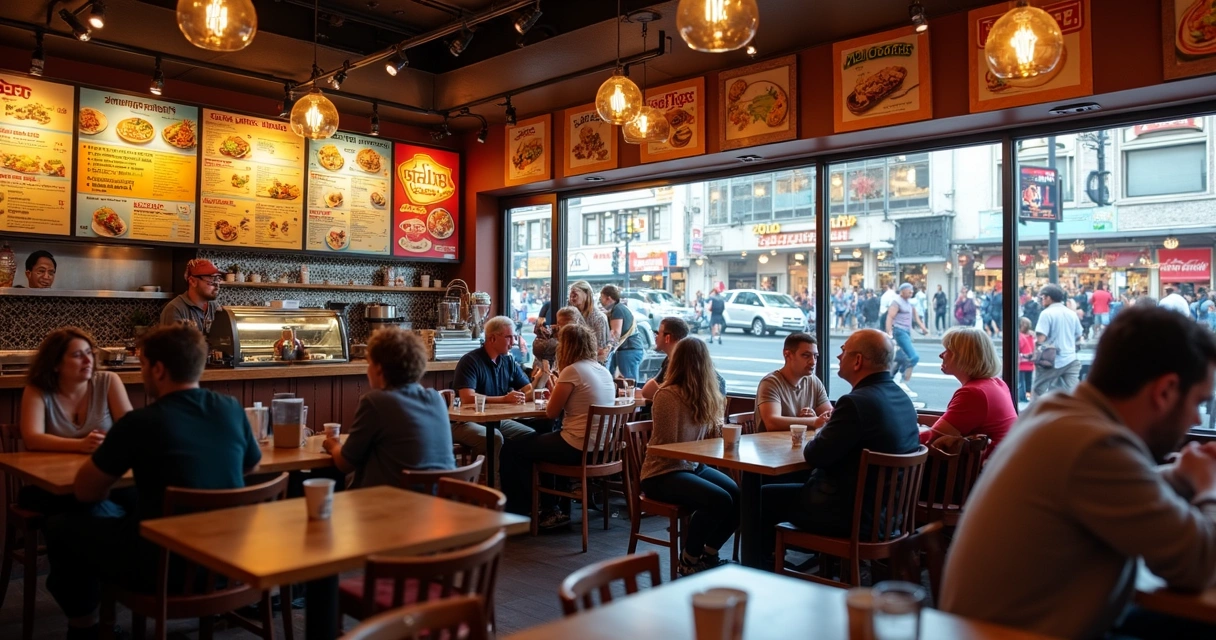
Now, think of those local brands in Las Vegas that feel inviting the moment you land on their site or profile. Their photos are crisp, burst with color, and show real faces or food. Menus or product details are up to date and easy to scan. Social media doesn’t just announce sales—it shows happy customers, behind-the-scenes moments, and quick replies to messages and comments.
From what I’ve seen, these brands build trust and draw in more walk-ins, bookings, and calls. High-quality content creates certainty, excitement, and the sense that you’re investing in your own reputation.
 Here’s what shines in the best local content:
- Photos that actually show the experience customers will get—bright, sharp, and honest.
- Clear calls to action: “Order now,” “Book your spot,” or “See today’s menu.”
- Fast-loading pages that work on any device—no pinching to zoom or slow-loading galleries.
- Social posts that feel like a conversation, not just a billboard.
I’ve noticed that even simple tweaks—like swapping out old pictures or freshening up your ‘About’ page—can flip the customer’s reaction entirely.
How does bad online content lose you customers?
In a city that never stops, competition will always exploit your gaps. Poor online content isn’t just a matter of preference—it’s about basic trust. Here’s what I see happen:
- People see grainy photos and assume the service is as sloppy as the image.
- When they can’t find information quickly, they click away rather than search deeper.
- Menus with out-of-date prices or “Coming Soon” notices leave them frustrated.
- They notice every unanswered message or poor reply time on social feeds and wonder if you’ll respond to their needs in person.
Even if you run the best steakhouse or the friendliest salon in Las Vegas, if the online story doesn’t match, your foot traffic drops long before you know why.
“People in Vegas rarely give second chances if the first look doesn’t impress.”
Seeing your business through a stranger’s eyes
I always tell business owners to pretend they know nothing about their own place. Search for it like a new customer would. Try to book a table, look for current specials, or scroll the photo gallery from a phone. If anything feels awkward, slow, or outdated, your customers feel it twice as strongly.
Ask yourself:
- Does each page answer questions or create more?
- Would you be excited, or just more confused?
Most people move on without a word when something doesn’t look right. That’s lost revenue you never even get to see in your reports.
The ripple effect: How strong content boosts local sales
From my work at Strattz, I have seen that Las Vegas customers reward businesses whose content feels dedicated and clear. There’s a direct link between quality content and increased sales, and here’s why:
- People are more likely to click “book” or “buy” when they feel at ease.
- Positive feelings from online content carry over to in-person experiences.
- Shareable photos and menus make it effortless for happy customers to spread the word.
 When digital content shows care and effort, local Las Vegas customers trust they will get the same treatment in your shop or restaurant. Strattz has seen this over and over: real, tangible sales increases from updated content and tailored social posts.
For inspiration, you can see examples of local growth and digital strategies at the Strattz author page, where we share insights and results from working with Las Vegas businesses of all sizes.
Steps to improve your online presence today
If you’re seeing too many closed tabs, unfinished carts, or empty tables, it’s time for an honest review. Here are some moves that have made a difference for my clients:
- Audit your own website and profiles—look for missing info, old images, or unclear navigation.
- Update your content so it answers every common customer question clearly.
- Schedule new photoshoots with good lighting and a steady hand, or work with a local agency.
- Test every booking and contact form to make sure nothing’s broken.
- Refresh your bio, “About Us,” and menu sections at least each season.
- Respond quickly to reviews and messages—they count now more than ever.
It’s not about looking perfect. It’s about showing effort and building trust.
If you need more ideas, or want to see specific examples, check out articles like how video editing sets brands apart or the power of design for local credibility on our blog, which covers a full range of digital strategies for businesses in Las Vegas.
Conclusion: Don’t let content cost you customers
In a city as active as Las Vegas, your digital presence is your handshake—it’s how you greet every new customer before they ever visit. I see businesses lose out every week, not because their service isn’t good, but because that first online look sends the wrong message. Good online content doesn’t have to be flashy, but it does have to show you care and give people reasons to trust you.
I suggest reviewing your own online content today, with a focus on the things that win trust: clear photos, easy navigation, current menus, and social feeds that show you’re present and active. If you want help making that leap, or if you need a dedicated partner to handle the work and keep your Las Vegas brand on track, reach out to Strattz for a personalized plan to help your business stand out and convert more local browsers into loyal clients.
Frequently asked questions
What is local content marketing?
Local content marketing means creating and sharing digital materials focused on your specific community or target neighborhood. In Las Vegas, this could include social media posts about local events, website updates with timely offers, or photos that highlight the local flavor and people. The intention is to connect you with nearby consumers who are searching for options just like yours.
How does online content impact sales?
Online content shapes first impressions and affects buyer confidence. When your photos, descriptions, and website look trustworthy and easy to use, people are more likely to contact or visit you. Bad content pushes them away, often leading them to better-presented alternatives, even if your product or service is better. In Las Vegas, I see this pattern again and again—all buying decisions start with what shows up online.
How to optimize content for Las Vegas?
Focus on speed, clarity, and relevance. Use bright, clear photos that feel local, like real customer shots or scenes around the city. Make sure your opening hours and menus match what’s happening today, not last season. Talk about your neighborhood or nearby events on your site and social channels. And most of all, be present—prompt replies to messages and frequent updates build real trust with Las Vegas locals.
Is it worth investing in web content?
The return on better web content almost always pays off for small businesses, especially in competitive cities. Even small upgrades, like updating your homepage images or fixing your booking page, pull in more traffic and keep people from bouncing out. This is one of the top ways clients at Strattz create measurable gains in sales and customer loyalty, without overhauling their entire operation.
What are the best content types for sales?
For driving sales in Las Vegas, top-performing content includes crisp photos of your actual service or product, short explainer videos, easily scanned menus or catalog pages, and local stories (like customer testimonials or event recaps). Consistent social posts that answer customer questions or show your personality help as well. You can see more about balancing different formats in practical articles on the Strattz blog, like this piece on building brand authority with great photos.